The Power of Aromatherapy: Essential Oils for Well-Being

The Power of Aromatherapy: Essential Oils for Well-Being


In a fast-paced, stress-filled world, people are increasingly turning to natural and holistic practices to restore balance. Aromatherapy, the therapeutic use of essential oils extracted from plants, has emerged as a powerful tool for enhancing physical, emotional, and mental well-being. Rooted in ancient traditions and supported by modern wellness practices, aromatherapy offers a gentle yet effective way to nurture the mind and body.
This article explores what aromatherapy is, how essential oils work, their benefits, popular oils and uses, and how to incorporate aromatherapy safely into everyday life.
What Is Aromatherapy?
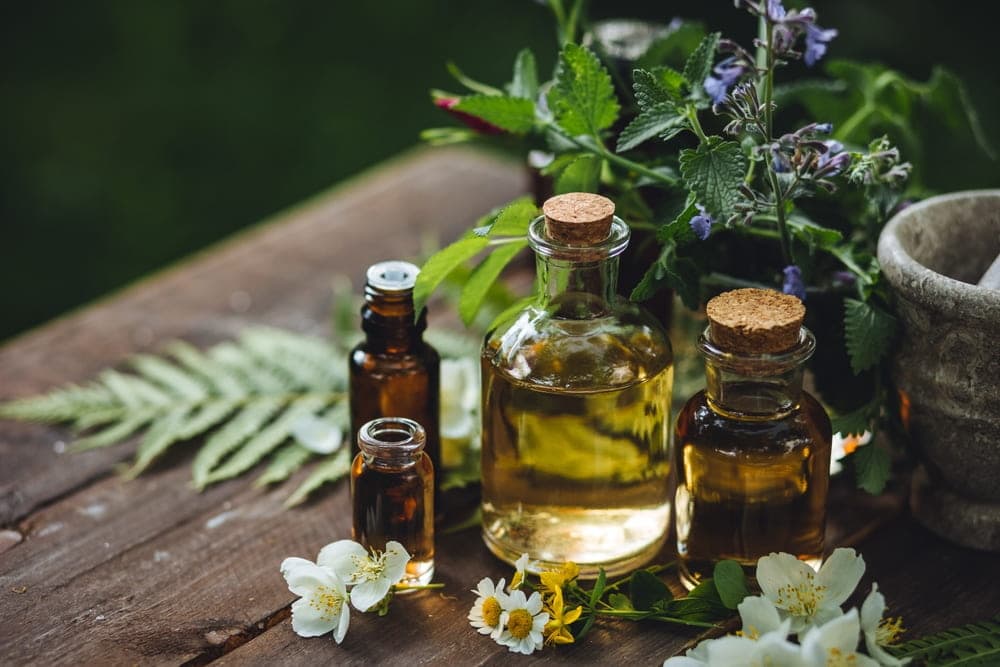
Aromatherapy is a holistic healing practice that uses natural plant extracts, known as essential oils, to promote health and well-being. These oils are derived from flowers, leaves, bark, roots, seeds, and peels through methods such as steam distillation or cold pressing.
When inhaled or applied topically (with proper dilution), essential oils interact with the body’s systems—particularly the nervous system—helping to improve mood, relieve stress, support immunity, and encourage relaxation.
How Aromatherapy Works

1. The Sense of Smell
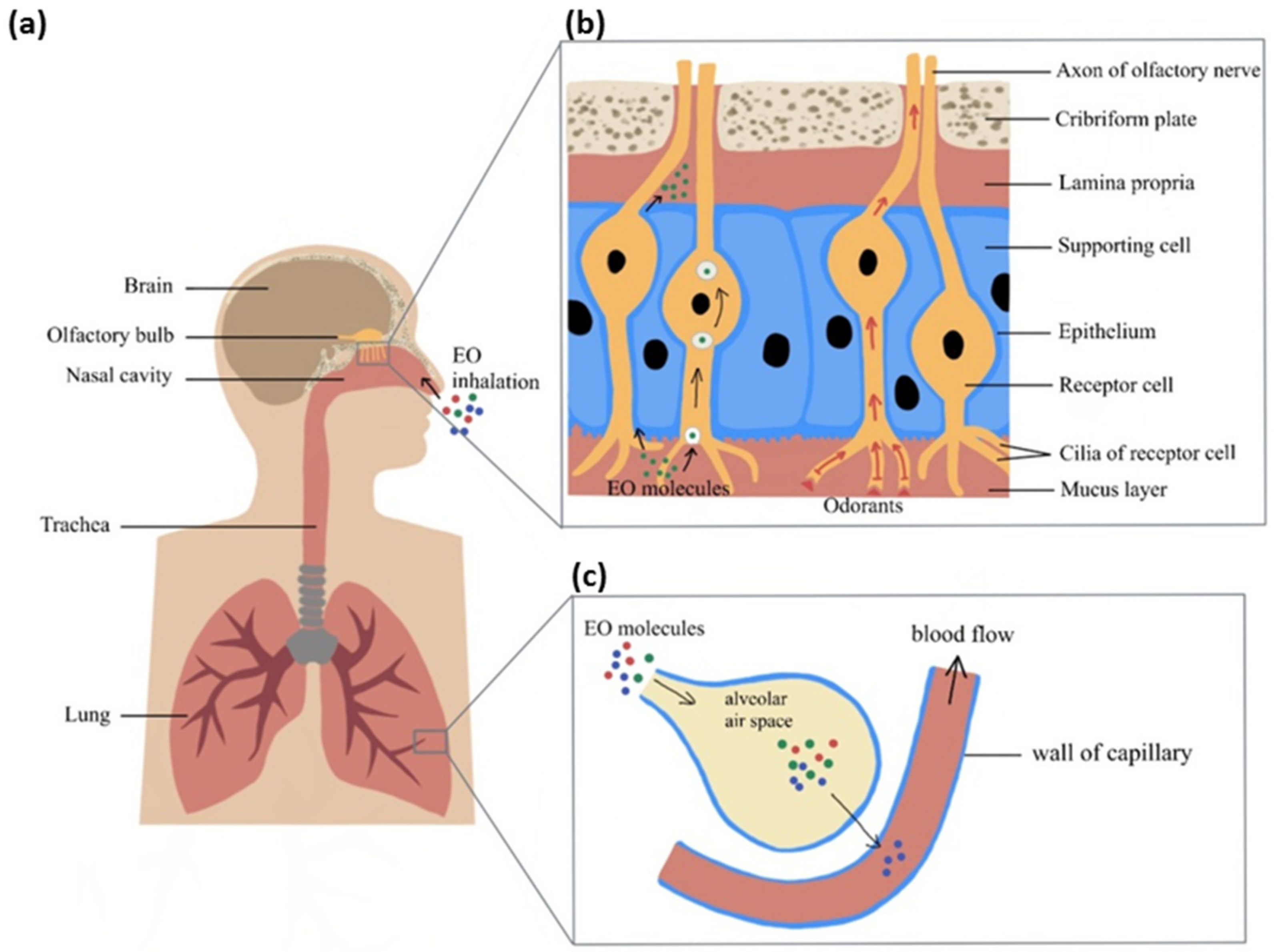
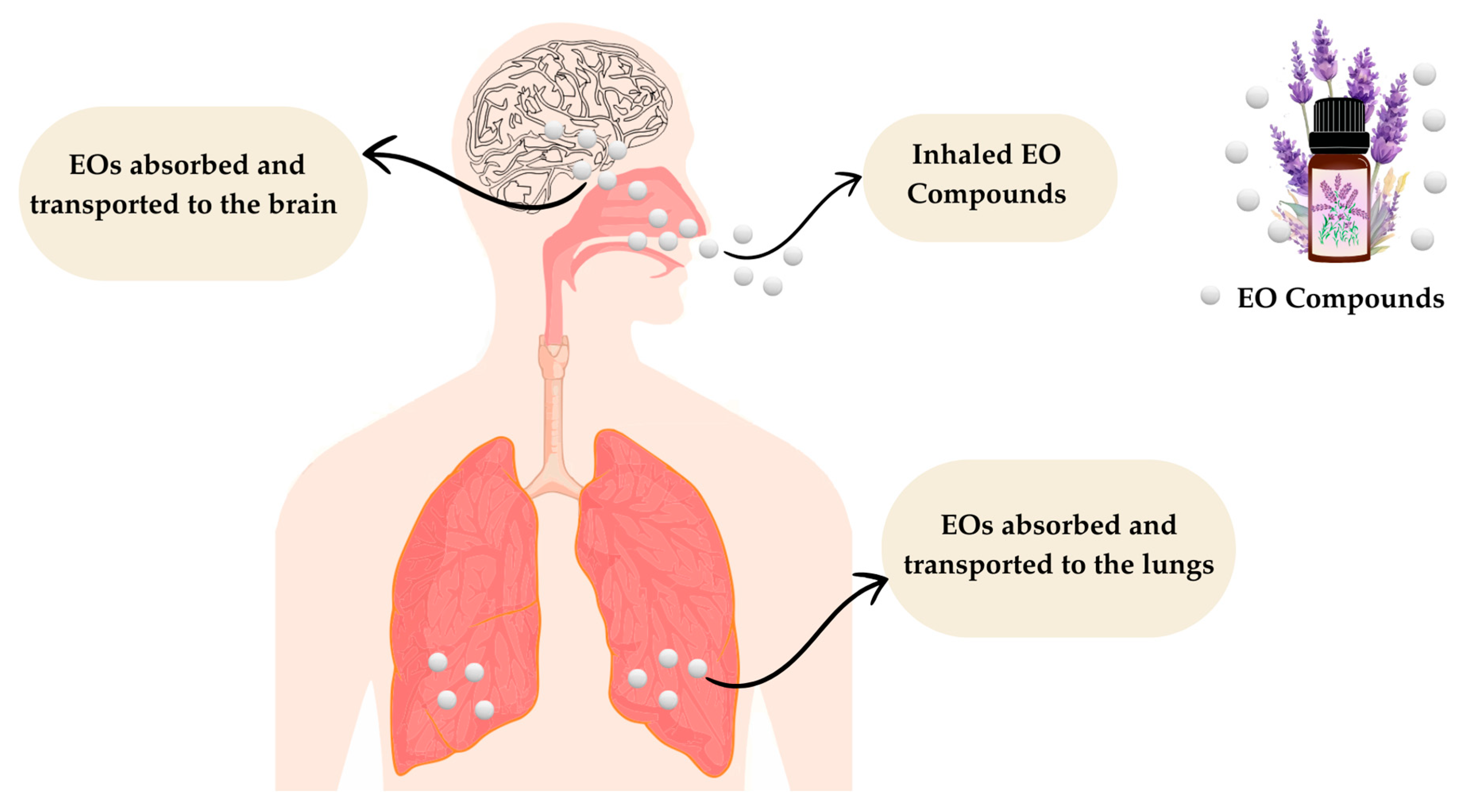
When you inhale essential oils, aroma molecules travel through the nose to the olfactory system, which is directly linked to the limbic system—the part of the brain responsible for emotions, memory, and mood. This explains why certain scents can instantly calm, energize, or uplift you.
2. Skin Absorption
When diluted oils are applied to the skin (via massage, rollers, or baths), they are absorbed into the bloodstream, where they may support physical and emotional balance.
Benefits of Aromatherapy
1. Stress Reduction and Relaxation
Certain essential oils have calming properties that help reduce anxiety, tension, and mental fatigue. Aromatherapy is widely used in meditation, yoga, and spa therapies for this reason.
2. Improved Sleep Quality
Essential oils can promote deeper relaxation, helping the mind unwind and the body prepare for restful sleep.
3. Emotional Balance
Aromatherapy can support emotional well-being by uplifting mood, reducing irritability, and creating a sense of calm and stability.
4. Enhanced Focus and Energy
Some oils stimulate mental clarity, concentration, and alertness, making them useful for work, study, and creative tasks.
5. Physical Support
Aromatherapy may help ease headaches, muscle tension, mild pain, digestive discomfort, and respiratory congestion when used correctly.
Popular Essential Oils and Their Benefits


Lavender
Promotes relaxation and sleep
Reduces stress and anxiety
Soothes headaches and skin irritation
Peppermint
Boosts energy and focus
Relieves headaches and nausea
Supports digestion
Eucalyptus
Clears nasal and respiratory congestion
Supports immune health
Refreshes and energizes
Lemon
Uplifts mood and reduces mental fatigue
Enhances concentration
Acts as a natural cleanser
Tea Tree
Known for antibacterial and antifungal properties
Supports skin health
Boosts immunity
Ways to Use Aromatherapy
1. Diffusers
Add a few drops of essential oil to a diffuser to fill your space with therapeutic aroma—ideal for homes, offices, and meditation rooms.
2. Inhalation
Place a drop on a tissue or inhale steam infused with essential oils for quick relief from congestion or stress.
3. Massage
Dilute essential oils with a carrier oil (such as coconut or almond oil) and apply during massage to relax muscles and calm the nervous system.
4. Bath Therapy
Add a few drops of essential oil mixed with a carrier oil or bath salt to warm bathwater for full-body relaxation.
5. Roll-Ons
Pre-diluted roll-ons are convenient for on-the-go stress relief, headaches, or mood support.
Aromatherapy and Mental Well-Being
Aromatherapy plays a valuable role in mental wellness by:
Reducing cortisol (stress hormone) levels
Encouraging mindfulness and relaxation
Supporting emotional resilience
Enhancing meditation and breathing practices
Incorporating essential oils into daily rituals—morning routines, work breaks, or bedtime—can significantly improve emotional balance.
Safety Tips for Using Essential Oils
While natural, essential oils are highly concentrated and must be used responsibly:
Always dilute before applying to skin
Perform a patch test to avoid allergic reactions
Avoid direct contact with eyes and sensitive areas
Use caution during pregnancy or medical conditions
Keep oils away from children and pets
Choose high-quality, pure essential oils
Integrating Aromatherapy Into Daily Life
Aromatherapy works best when it becomes part of your lifestyle rather than an occasional remedy. Simple habits include:
Diffusing calming oils in the evening
Using energizing scents during work
Practicing mindful breathing with essential oils
Pairing aromatherapy with yoga or meditation
Conclusion
The power of aromatherapy lies in its simplicity and effectiveness. Through the mindful use of essential oils, aromatherapy supports physical relaxation, emotional balance, mental clarity, and overall well-being. In a world dominated by synthetic solutions and constant stimulation, aromatherapy offers a natural path back to calm, presence, and inner harmony.
Sometimes, healing begins with a single breath.


Comments
Post a Comment