The Healing Power of Laughter: Incorporating Humor into Your Life

The Healing Power of Laughter: Incorporating Humor into Your Life



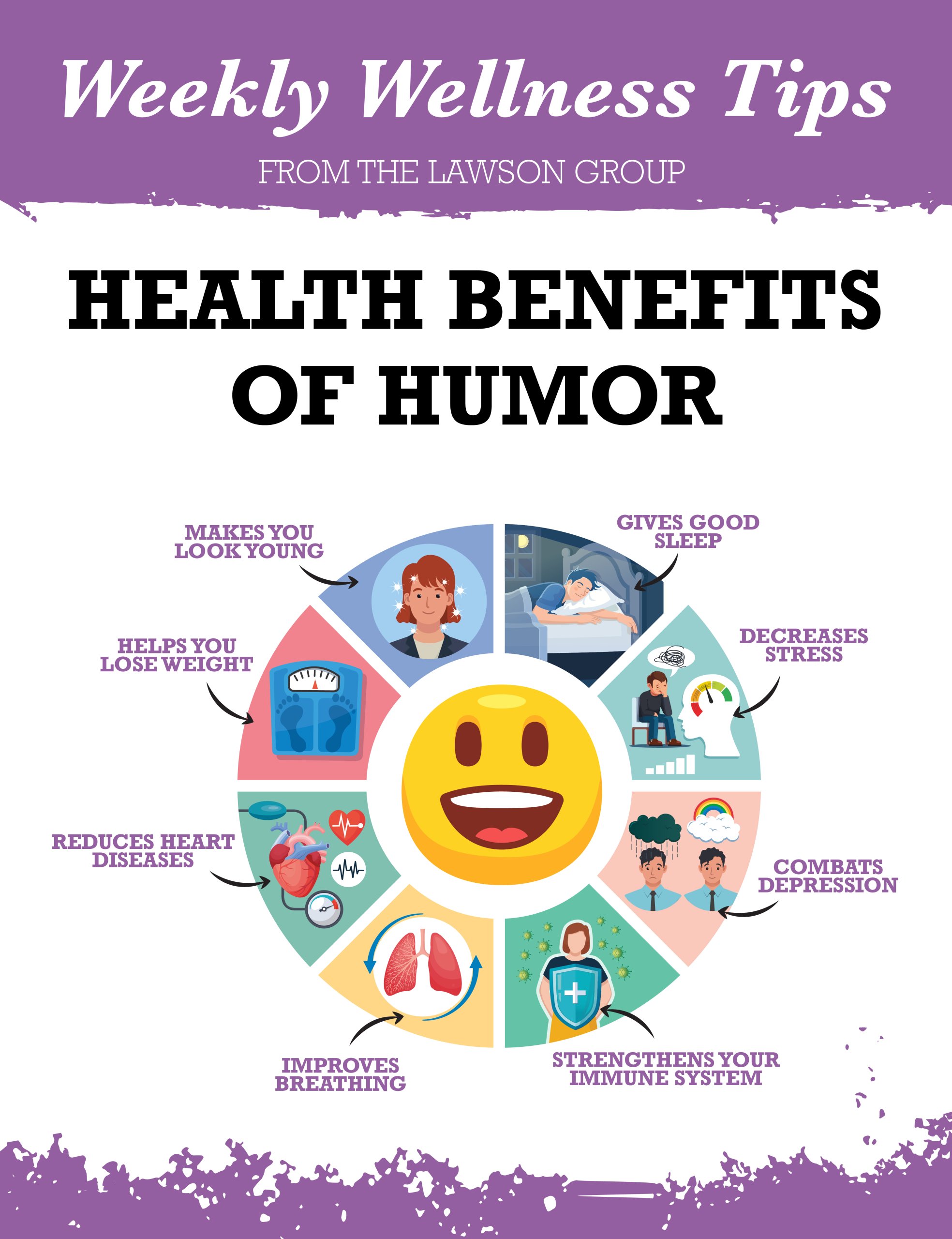
In a world often filled with pressure, deadlines, and uncertainty, laughter can feel like a luxury. Yet laughter is one of the most powerful—and natural—tools for healing, resilience, and emotional balance. Beyond being a simple reaction to humor, laughter is a form of medicine that nurtures both the body and the mind.
This article explores the science and psychology behind laughter, its healing benefits, and practical ways to incorporate humor into everyday life for greater well-being.
Why Laughter Matters
Laughter is a universal human behavior. It connects people across cultures, ages, and experiences. While it often arises spontaneously, its effects are deeply biological and psychological.
Laughter:
Releases tension
Shifts perspective
Strengthens relationships
Restores emotional balance
In short, laughter helps us cope, connect, and heal.
The Science Behind Laughter


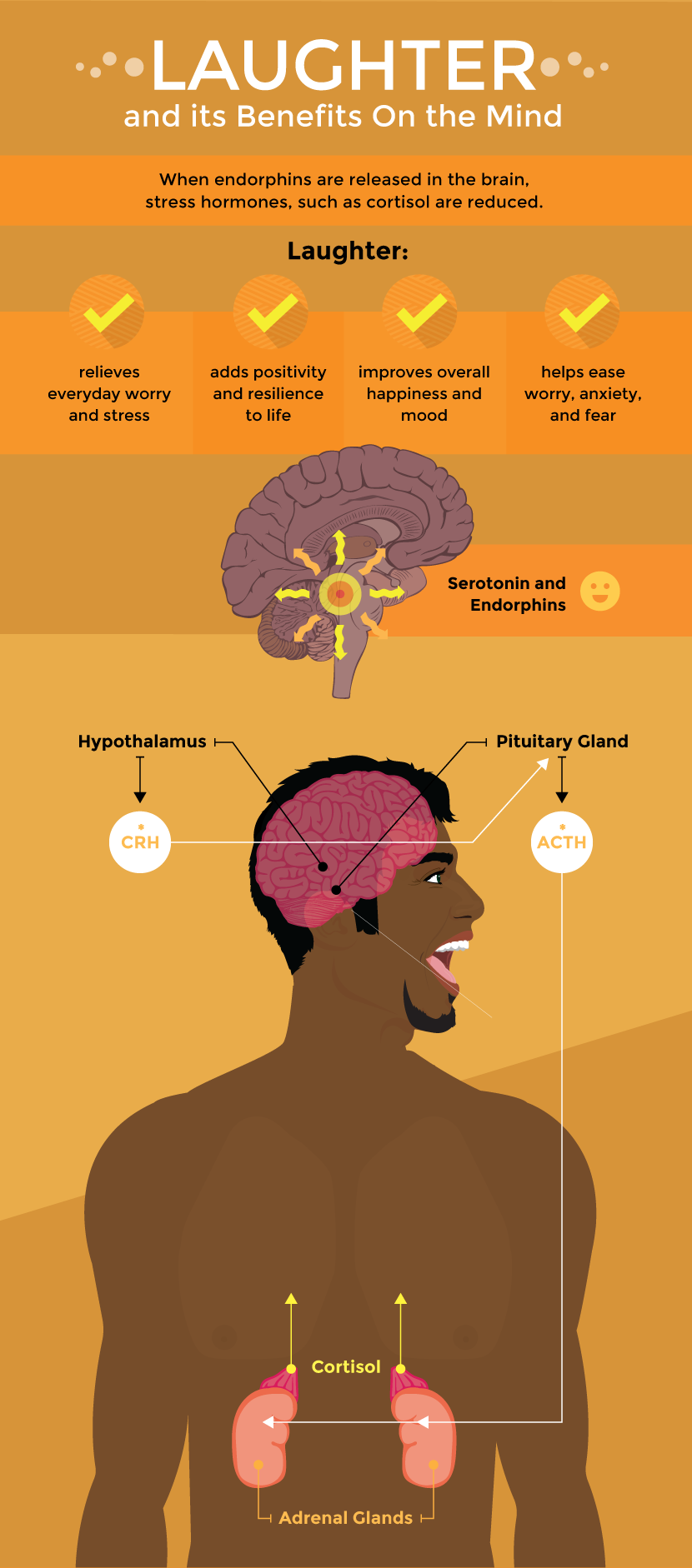

When you laugh, your body undergoes positive physiological changes:
1. Hormone Balance
Laughter triggers the release of:
Endorphins (feel-good hormones)
Dopamine (motivation and pleasure)
Serotonin (emotional stability)
At the same time, it reduces stress hormones like cortisol and adrenaline.
2. Nervous System Reset
A good laugh activates the parasympathetic nervous system, helping the body shift from “fight or flight” into “rest and digest.”
3. Improved Circulation and Oxygen Intake
Deep laughter increases oxygen flow to the brain and muscles, improving alertness and relaxation simultaneously.
Physical Health Benefits of Laughter
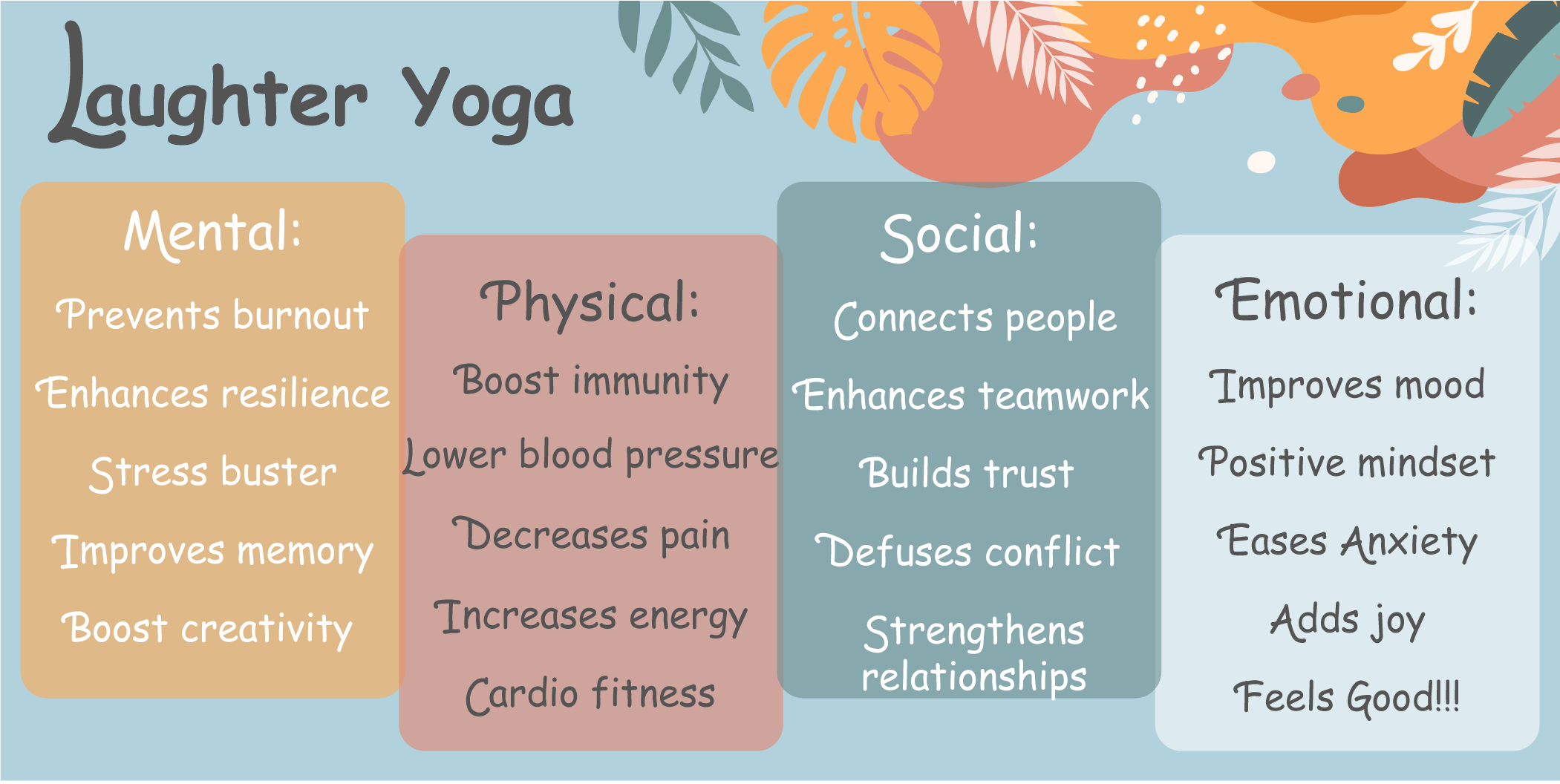


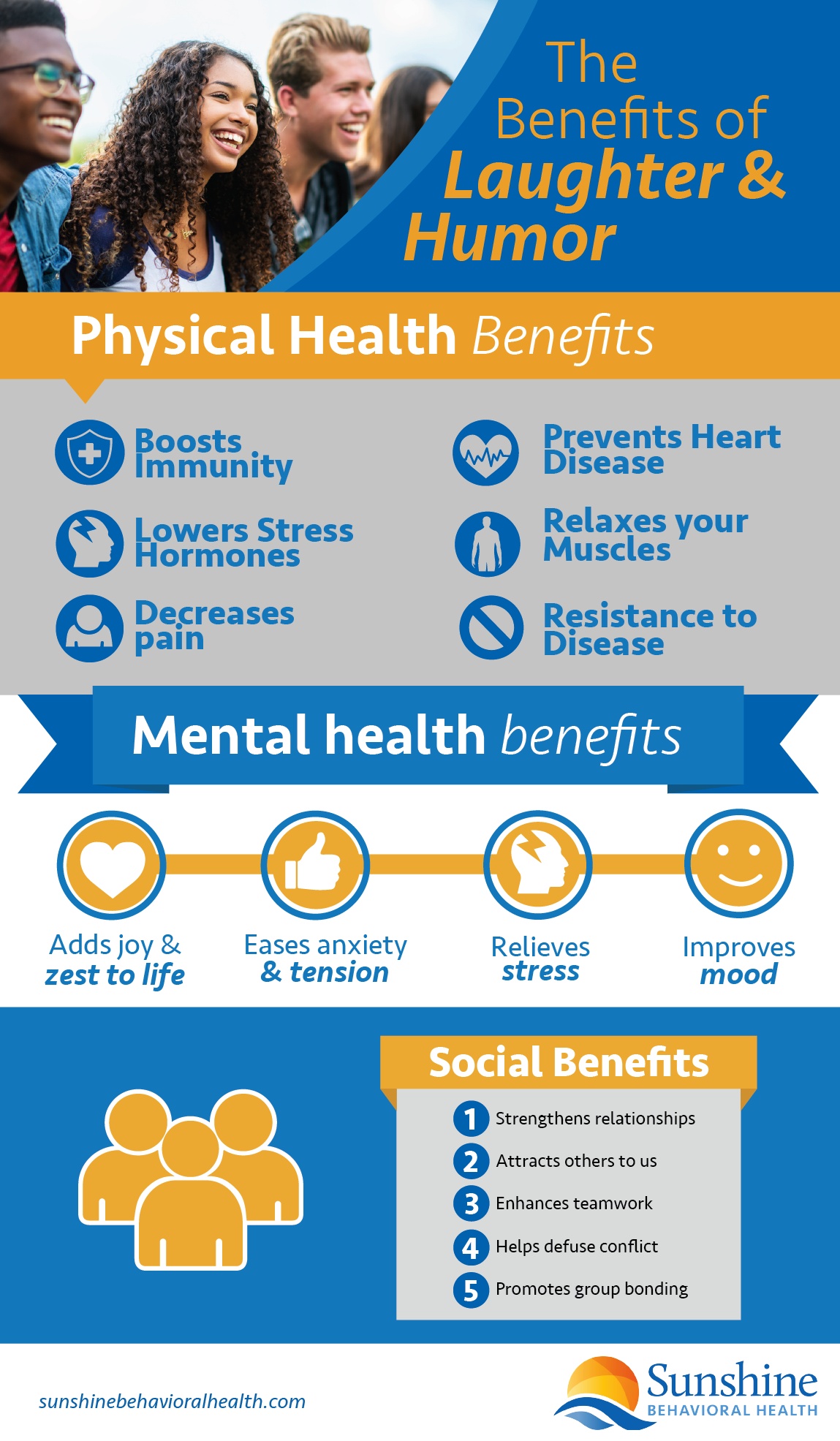
1. Boosts Immunity
Laughter enhances immune cell activity and increases infection-fighting antibodies, helping the body resist illness.
2. Supports Heart Health
It improves blood vessel function, circulation, and may reduce the risk of heart-related issues.
3. Relieves Pain Naturally
Endorphins released during laughter act as natural painkillers, reducing discomfort and increasing pain tolerance.
4. Relaxes Muscles
A hearty laugh relaxes tense muscles for up to 45 minutes, easing physical stress.
Mental and Emotional Benefits of Laughter
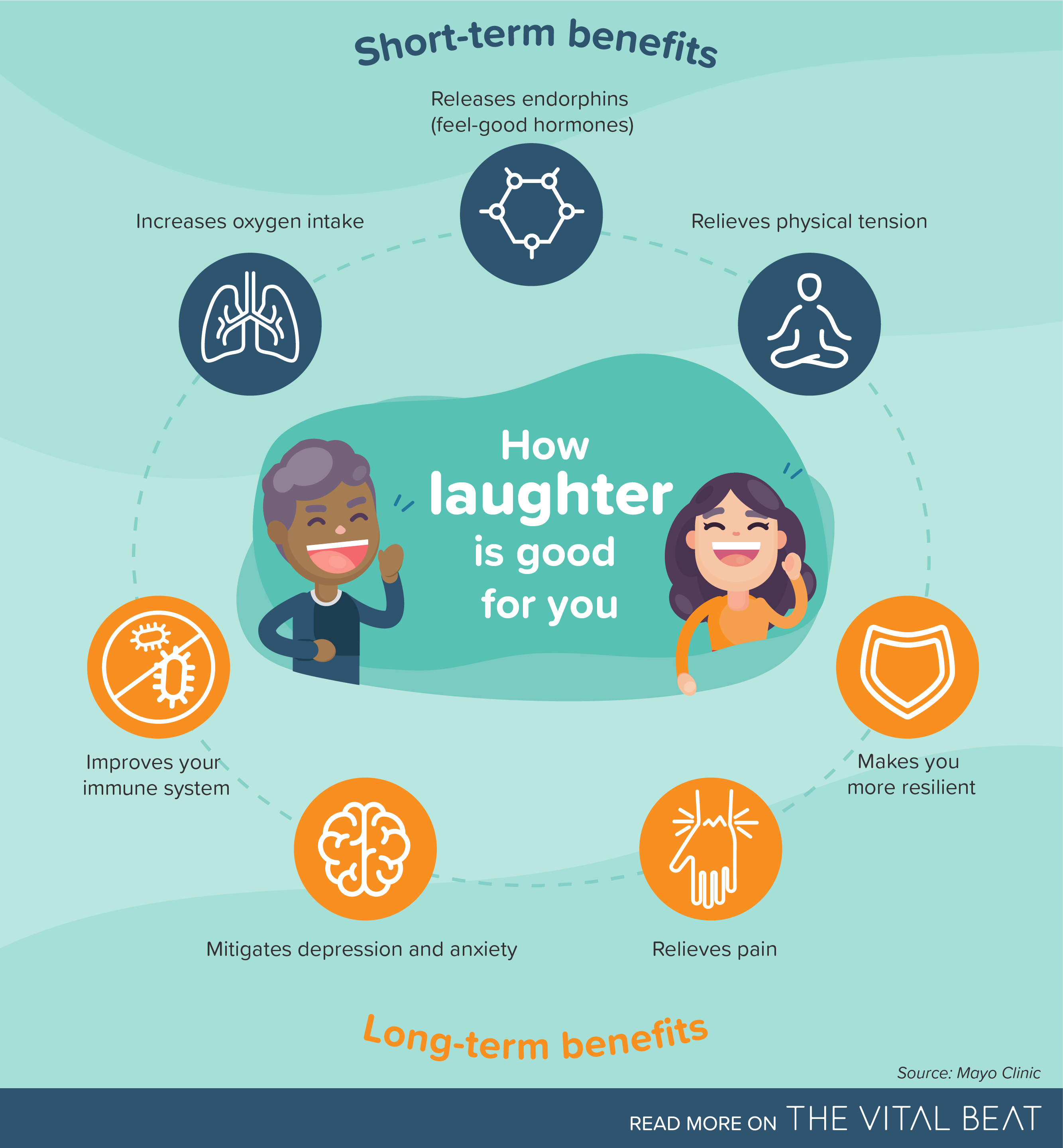
1. Reduces Stress and Anxiety
Laughter breaks stress cycles, offering immediate emotional relief and mental clarity.
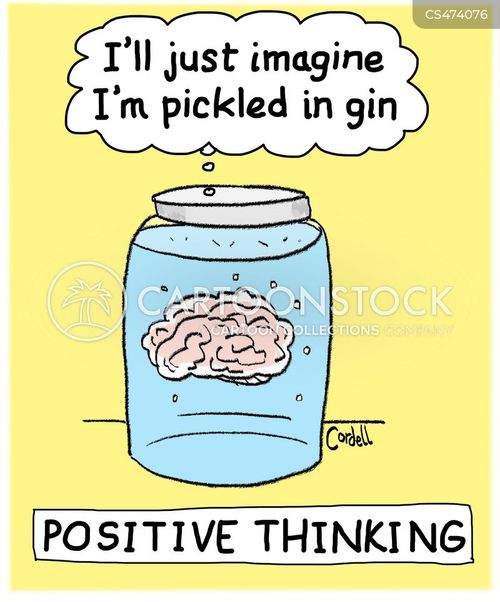
2. Improves Mood and Outlook
Humor helps reframe problems, making challenges feel more manageable.
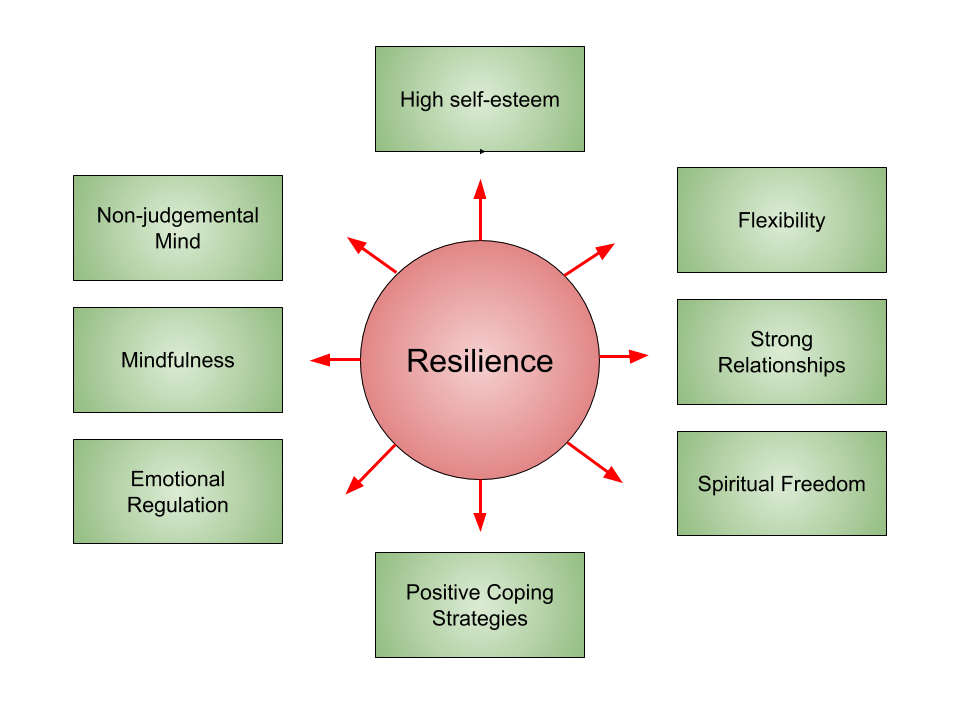
3. Builds Emotional Resilience
People who use humor cope better with setbacks and recover faster from emotional strain.
4. Encourages Mindfulness
Laughter pulls attention into the present moment—one of the core principles of mental well-being.
Social Healing Through Laughter




Laughter is contagious—and that’s a good thing.
How Laughter Strengthens Relationships
Builds trust and emotional safety
Reduces conflict and tension
Improves communication
Creates shared memories
In workplaces, families, and friendships, humor fosters cooperation and empathy.
Laughter as a Healing Practice
Laughter Therapy
Structured laughter sessions (often called laughter yoga) combine breathing exercises with intentional laughter to stimulate physical and emotional healing—even without jokes.
Everyday Humor
You don’t need a comedy show to laugh:
Playfulness
Light-hearted conversations
Self-deprecating humor (without self-criticism)
Finding joy in small moments
Healing laughter often comes from connection, not comedy.
How to Incorporate More Laughter Into Your Life


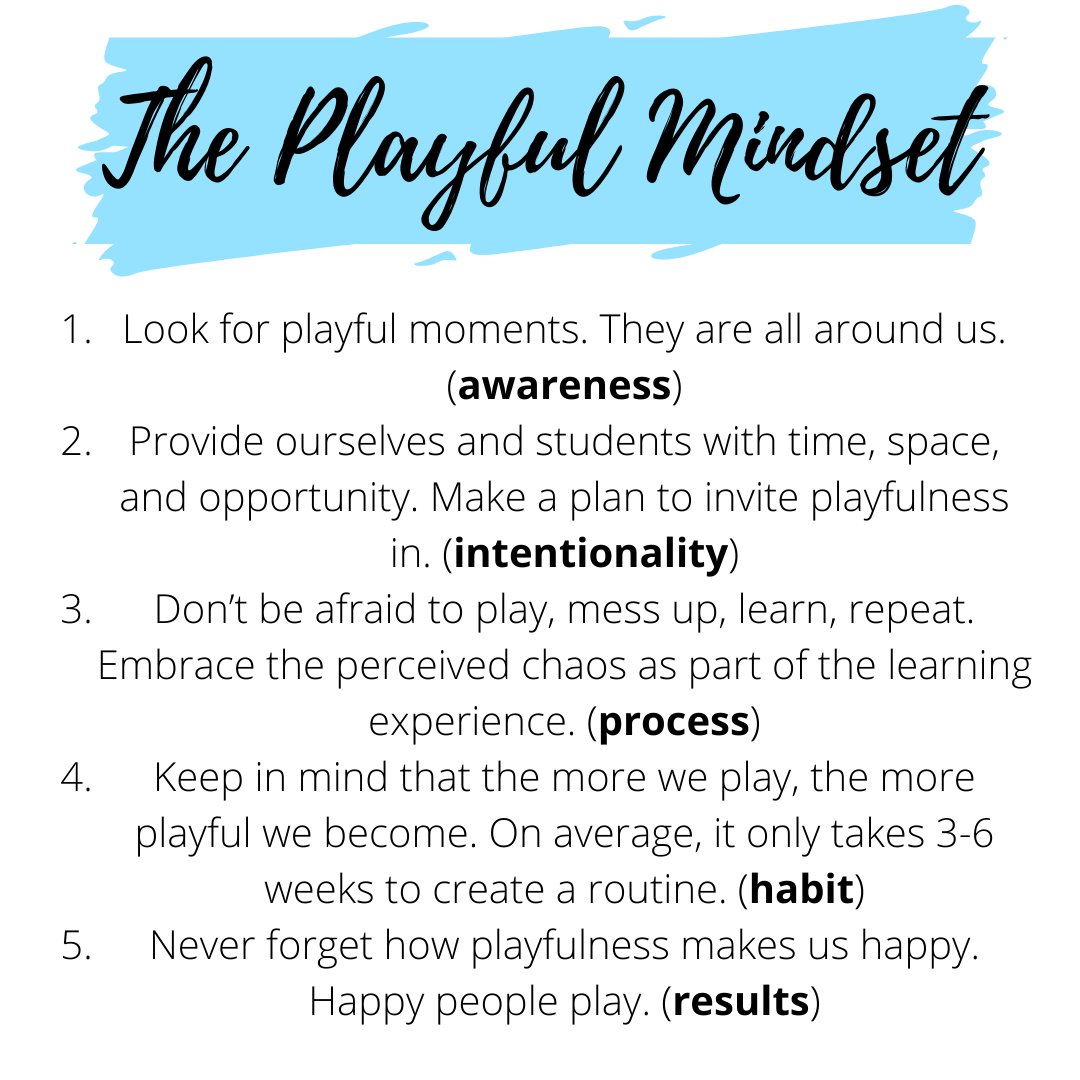

1. Make Humor a Habit
Watch or listen to something funny daily
Follow humor-based content
Keep a “joy list” of things that make you laugh
2. Surround Yourself with Playful People
Laughter grows in safe, supportive environments.
3. Learn to Laugh at Yourself
Gentle self-humor reduces perfectionism and emotional pressure.
4. Practice Intentional Laughter
Even forced laughter can lead to real laughter—and real benefits.
5. Choose Lightness During Stress
Humor doesn’t dismiss problems; it softens them.
Laughter and Holistic Well-Being
Laughter complements other wellness practices:
Enhances meditation and breathwork
Supports emotional healing
Encourages optimism and gratitude
Balances serious routines
Wellness isn’t always about discipline—sometimes it’s about joyful release.
Common Myths About Laughter
❌ “Laughter means I’m not taking life seriously”
❌ “Humor is escapism”
❌ “I need a reason to laugh”
✅ Laughter is a coping skill, not avoidance.
✅ Joy and responsibility can coexist.
Conclusion
Laughter is one of the most accessible forms of healing available to us. It requires no equipment, no expertise, and no permission—only openness. By welcoming humor into daily life, you support physical health, emotional resilience, mental clarity, and meaningful connection.
In difficult moments and joyful ones alike, laughter reminds us of our shared humanity.
Sometimes, the most powerful therapy is simply a good laugh. 😊


Comments
Post a Comment