Navigating Change: Strategies for Adapting to Life Transitions

Navigating Change: Strategies for Adapting to Life Transitions


Change is one of the few constants in life. Whether planned or unexpected, welcomed or feared, life transitions shape who we become. Career shifts, relationship changes, relocation, health challenges, aging, or personal reinvention can all bring uncertainty and emotional turbulence. Navigating change isn’t about avoiding discomfort—it’s about learning how to adapt with resilience, clarity, and purpose.
This article explores why change feels difficult, the emotional stages of transition, and practical strategies to help you adapt and grow through life’s turning points.
Understanding Life Transitions
A life transition is any period where familiar routines, roles, or identities shift. These moments often involve loss and opportunity simultaneously—the end of something known and the beginning of something new.
Common Life Transitions
Career change or job loss
Starting or ending relationships
Marriage, parenthood, or empty nest
Relocation or migration
Health diagnoses or recovery
Personal growth or identity shifts
Even positive changes can feel destabilizing because they require adjustment.
Why Change Feels So Challenging
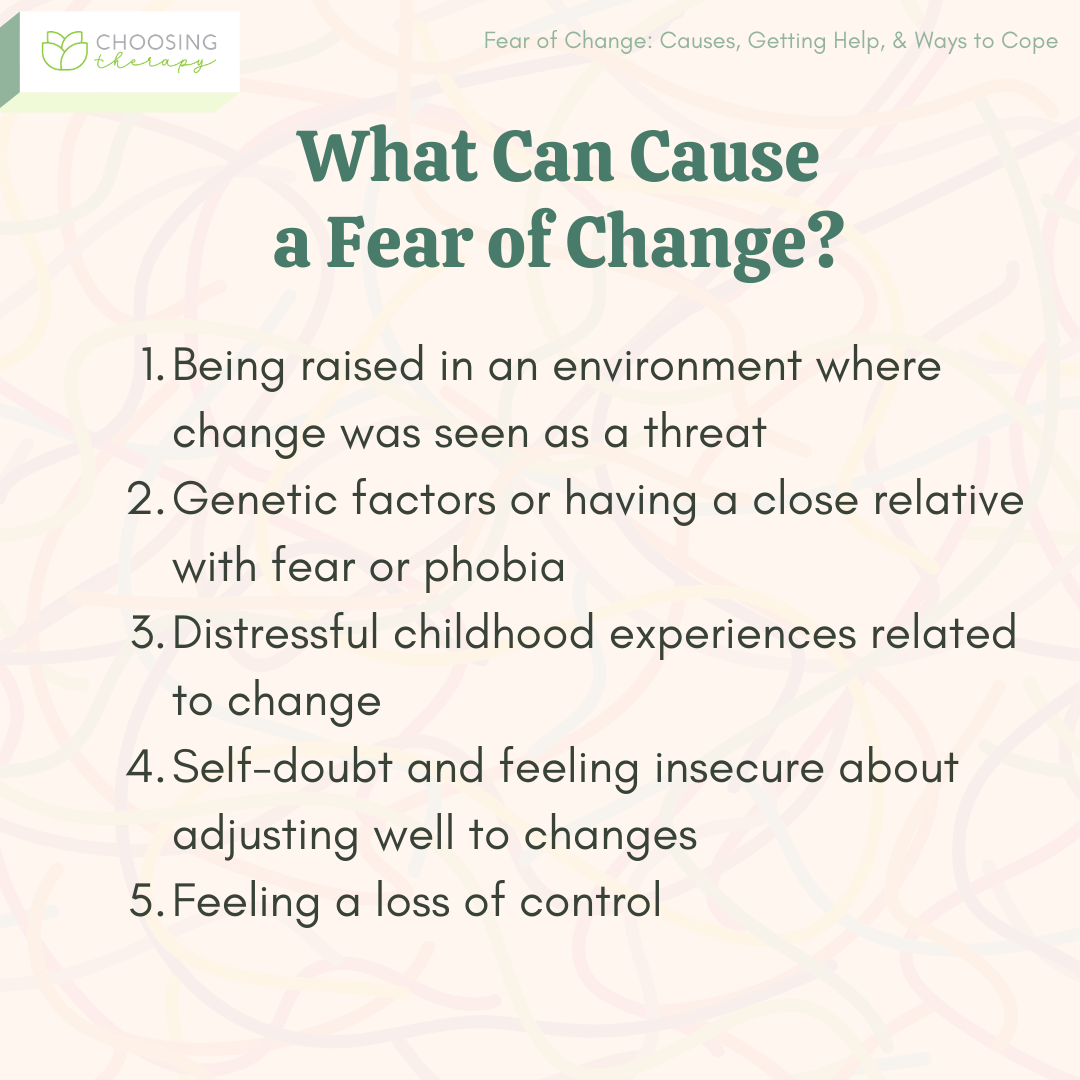

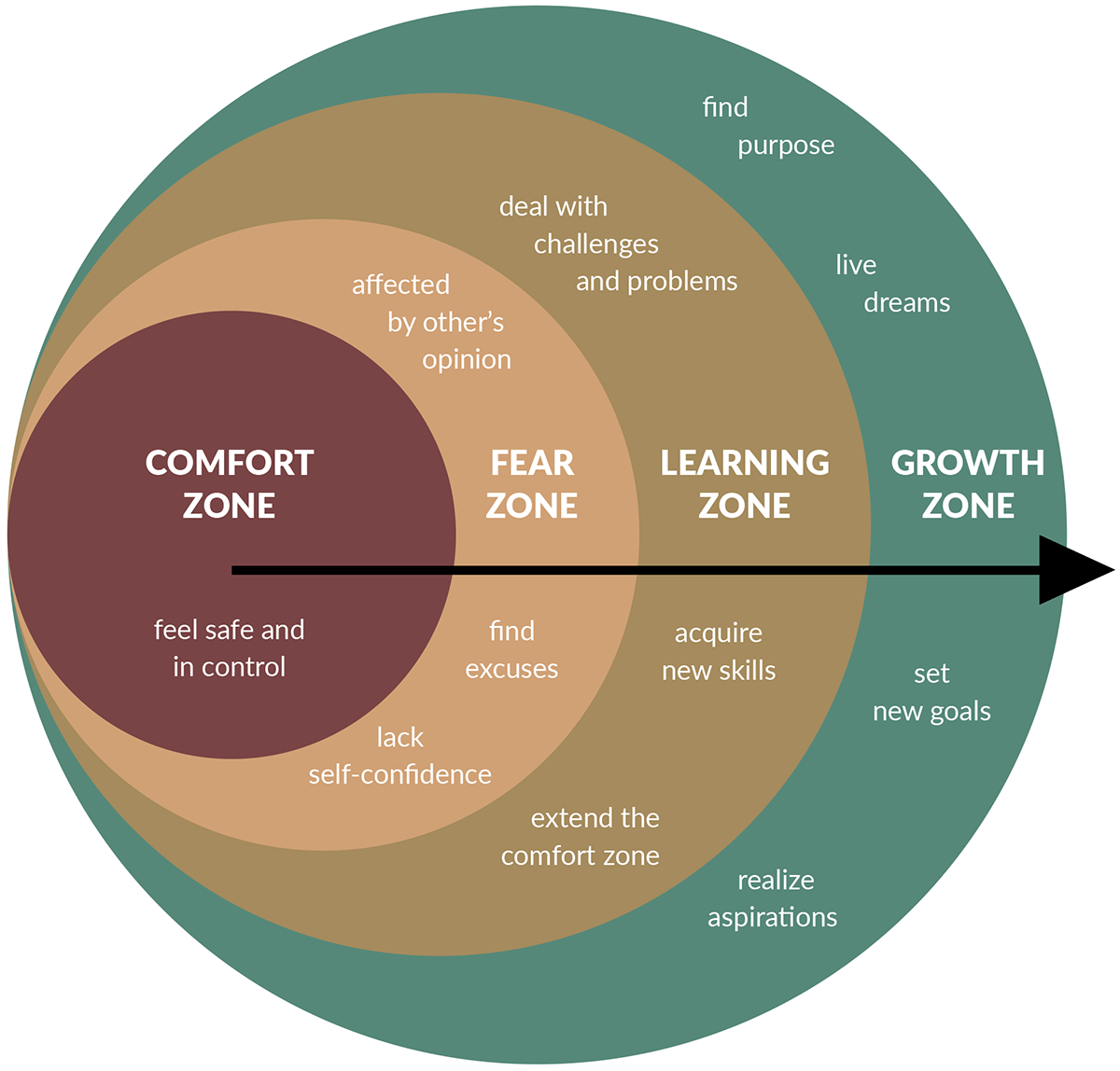
1. Loss of Control
Change disrupts predictability, triggering anxiety and fear of the unknown.
2. Identity Disruption
Transitions often challenge how we see ourselves—our roles, routines, and sense of belonging.
3. Emotional Overload
It’s common to feel a mix of excitement, grief, relief, confusion, and doubt at the same time.
4. Pressure to “Handle It Well”
Societal expectations can make people feel they must adapt quickly, leaving little space to process emotions.
Recognizing these responses as normal is the first step toward healthier adaptation.
The Emotional Phases of Transition
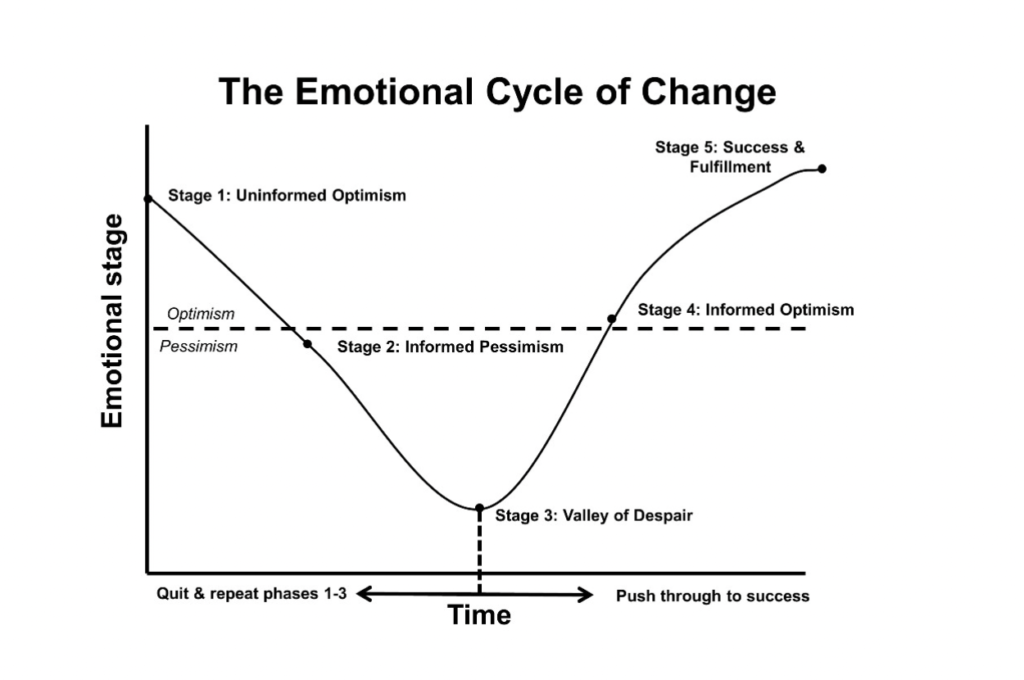
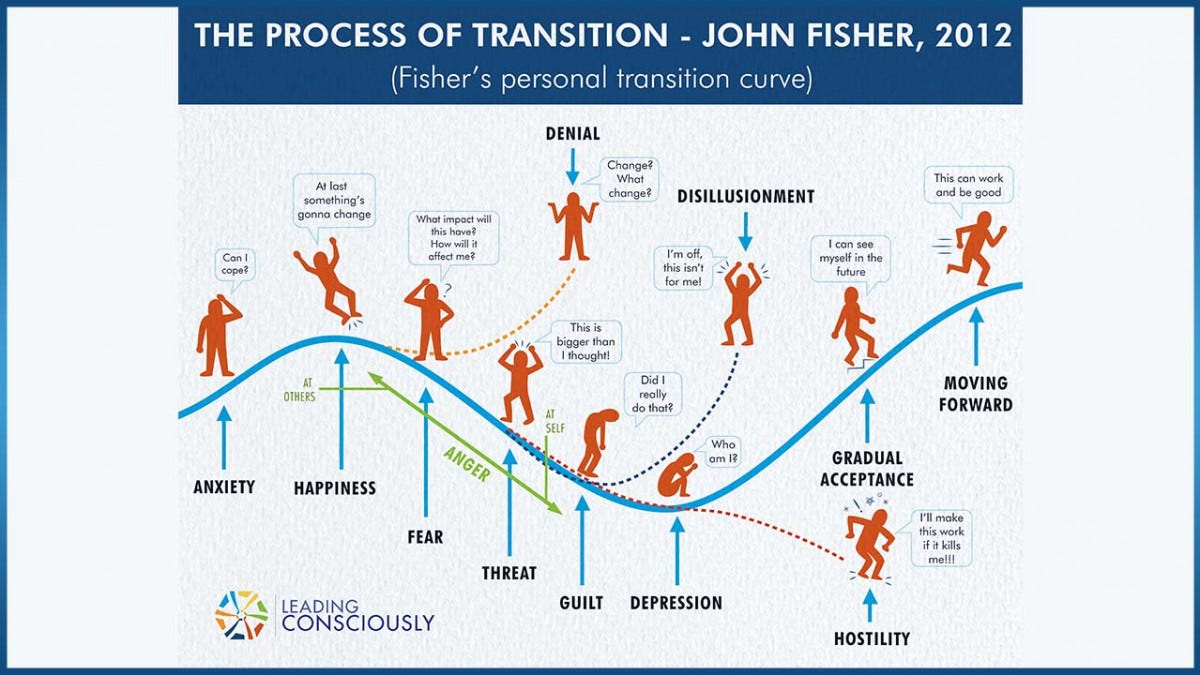
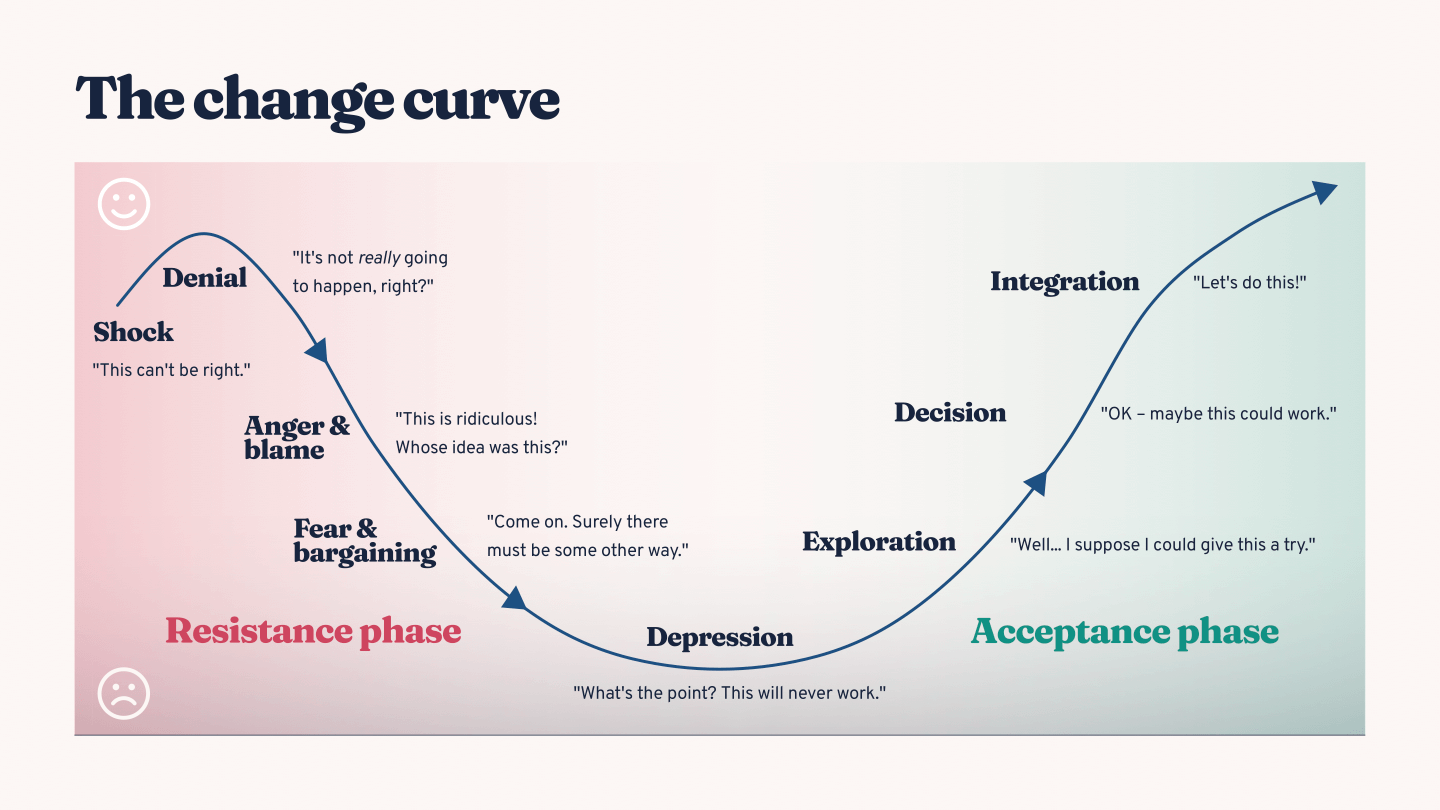
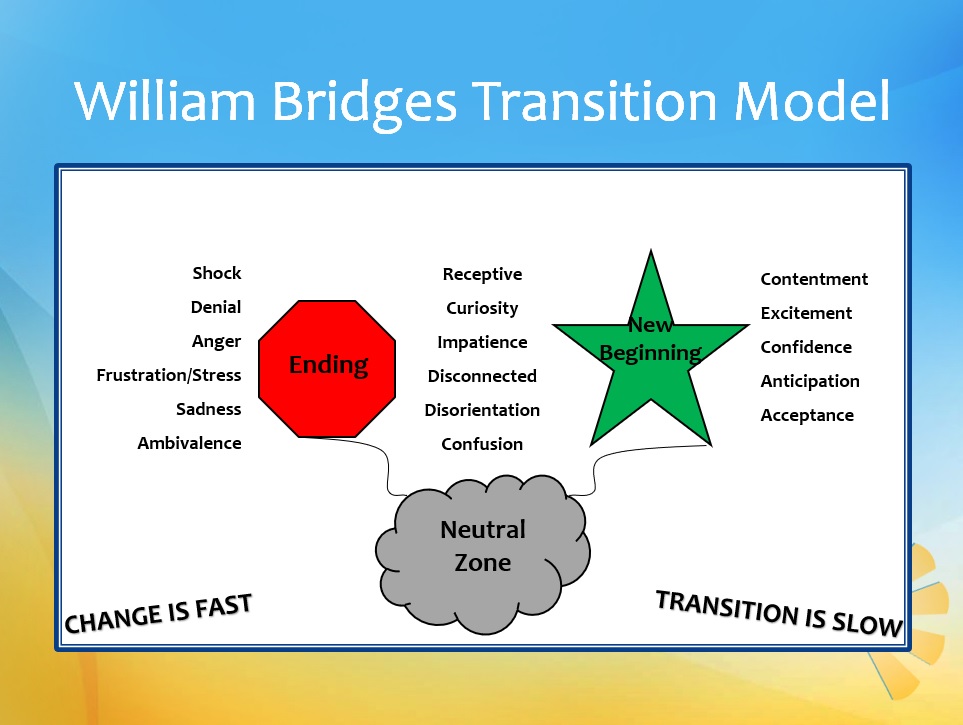
Most transitions follow a non-linear emotional pattern:
Shock or Denial – Difficulty accepting the change
Resistance or Fear – Anxiety, anger, or sadness
Exploration – Experimenting with new possibilities
Acceptance and Integration – Finding stability and meaning
Understanding this cycle helps reduce self-judgment during difficult phases.
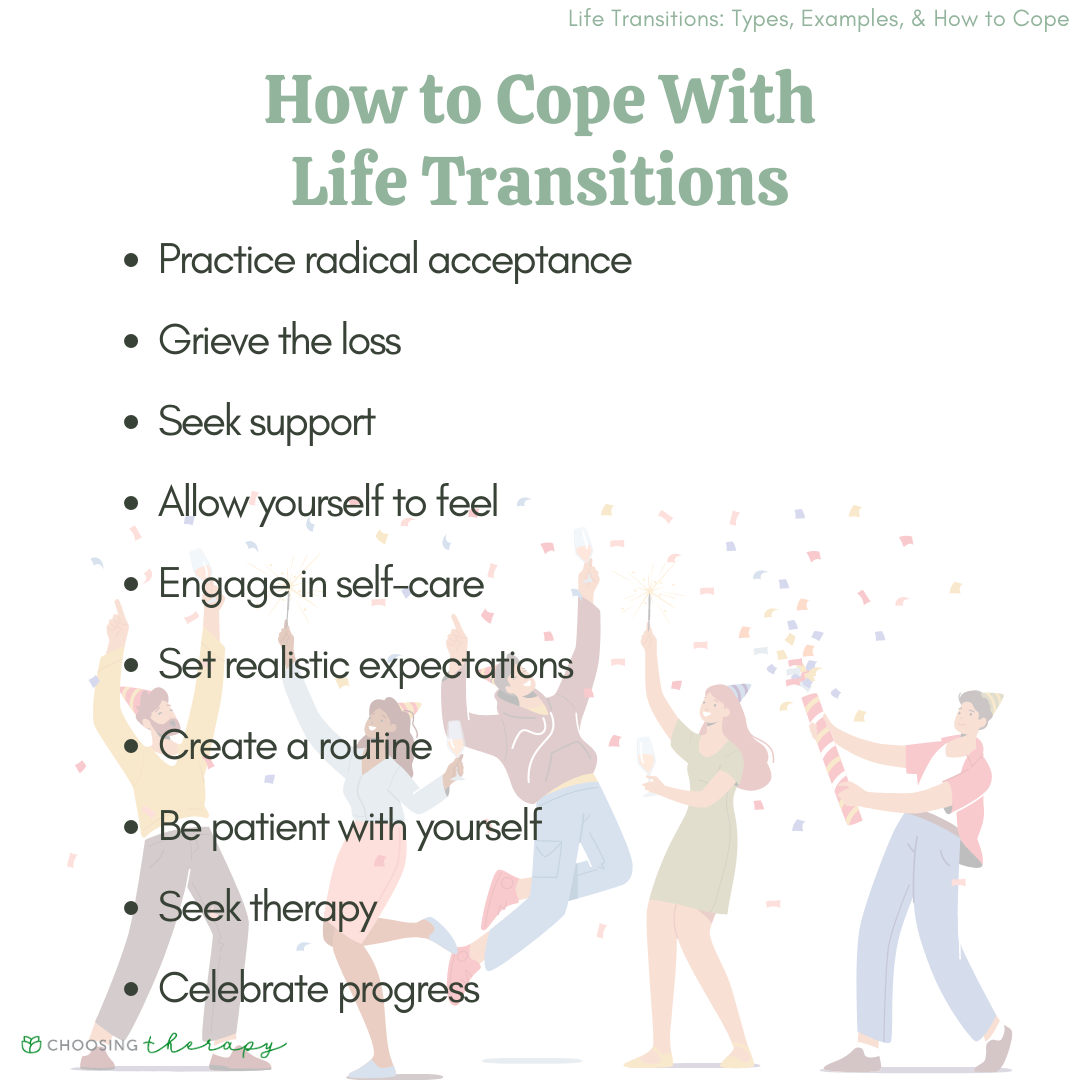
Strategies for Adapting to Life Transitions
1. Acknowledge and Validate Your Feelings


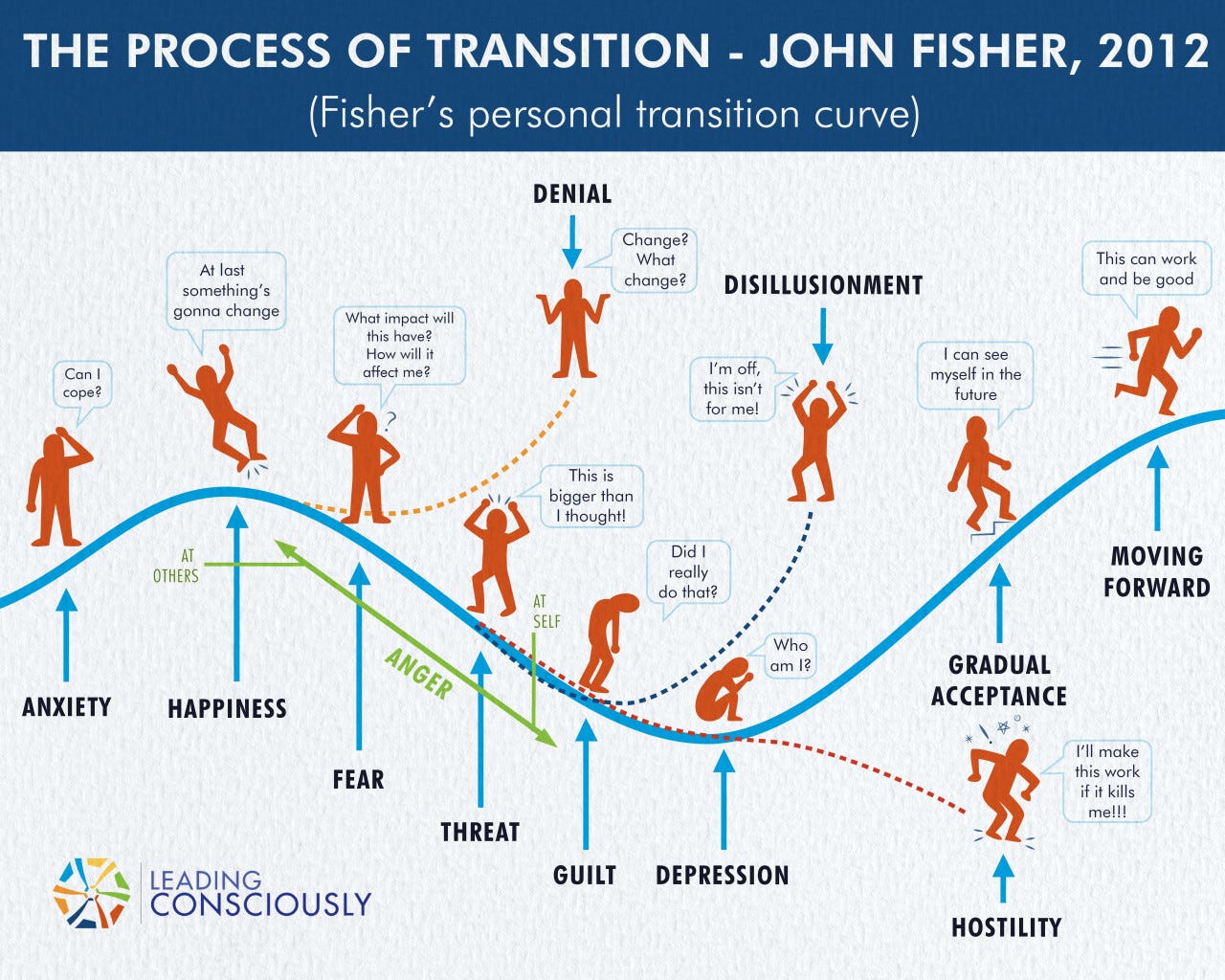
Avoid minimizing your experience. Give yourself permission to feel:
Grief for what’s ending
Fear about what’s unknown
Hope for what’s possible
Practical Tools
Journaling
Talking with trusted people
Naming emotions without judging them
Emotional honesty builds resilience.
2. Focus on What You Can Control
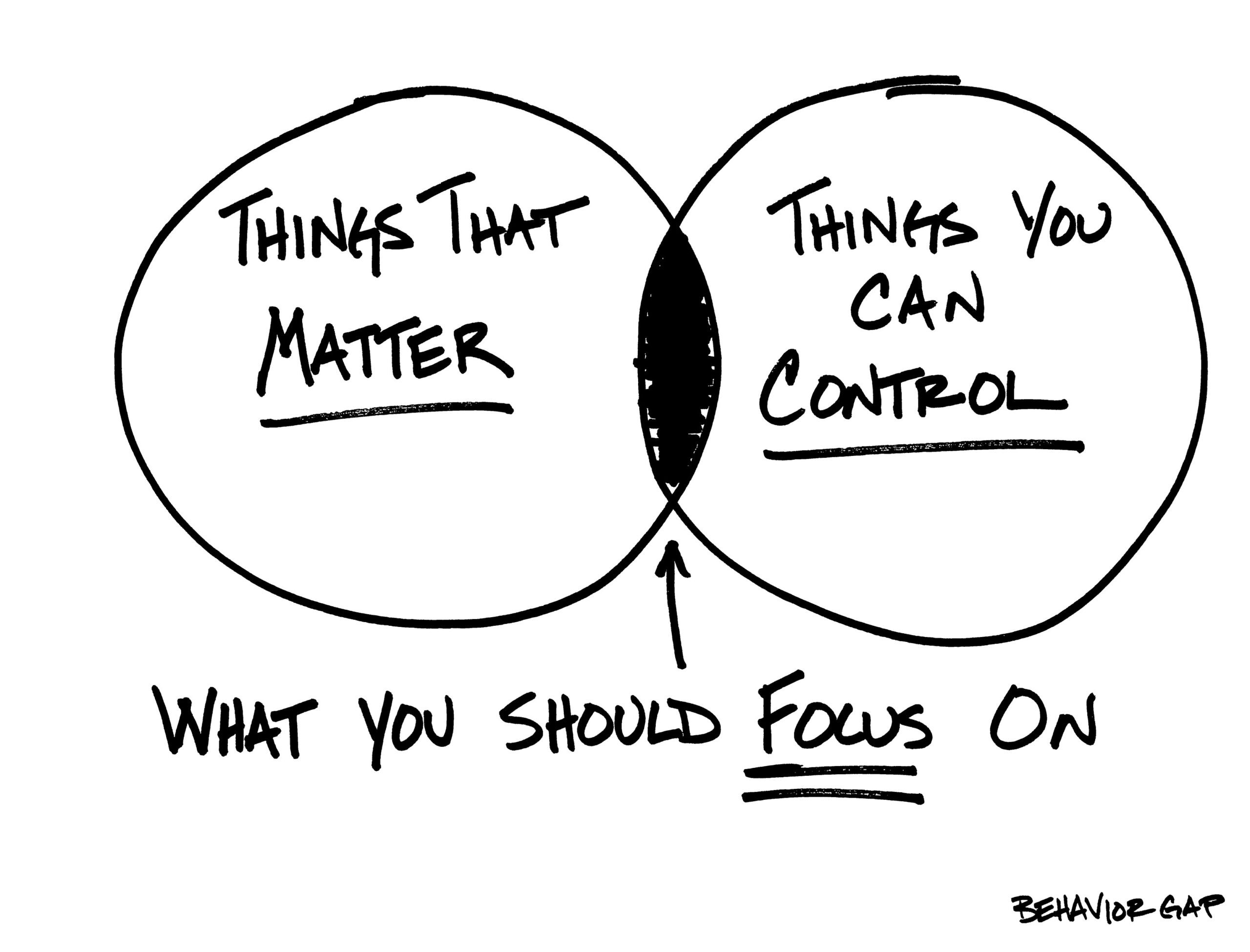

Change can feel overwhelming when everything seems uncertain.
Shift your attention to:
Daily routines
Small achievable goals
Healthy habits (sleep, food, movement)
Stability in small things creates confidence during big shifts.
3. Reframe Change as Growth
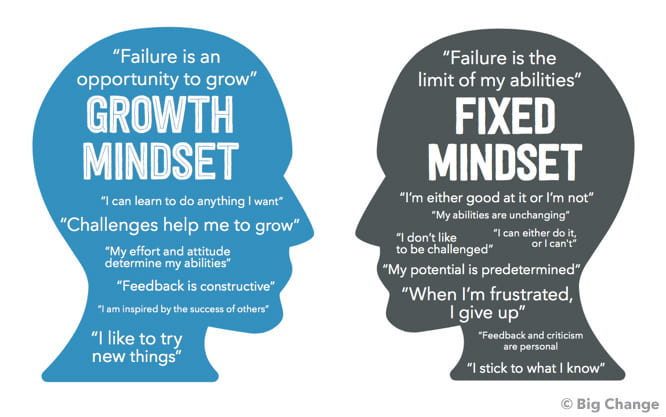


While not all change is chosen, growth is often possible.
Ask reflective questions:
What is this transition teaching me?
What strengths am I developing?
What new opportunities are emerging?
Reframing doesn’t deny difficulty—it adds meaning to it.
4. Create New Anchors and Routines

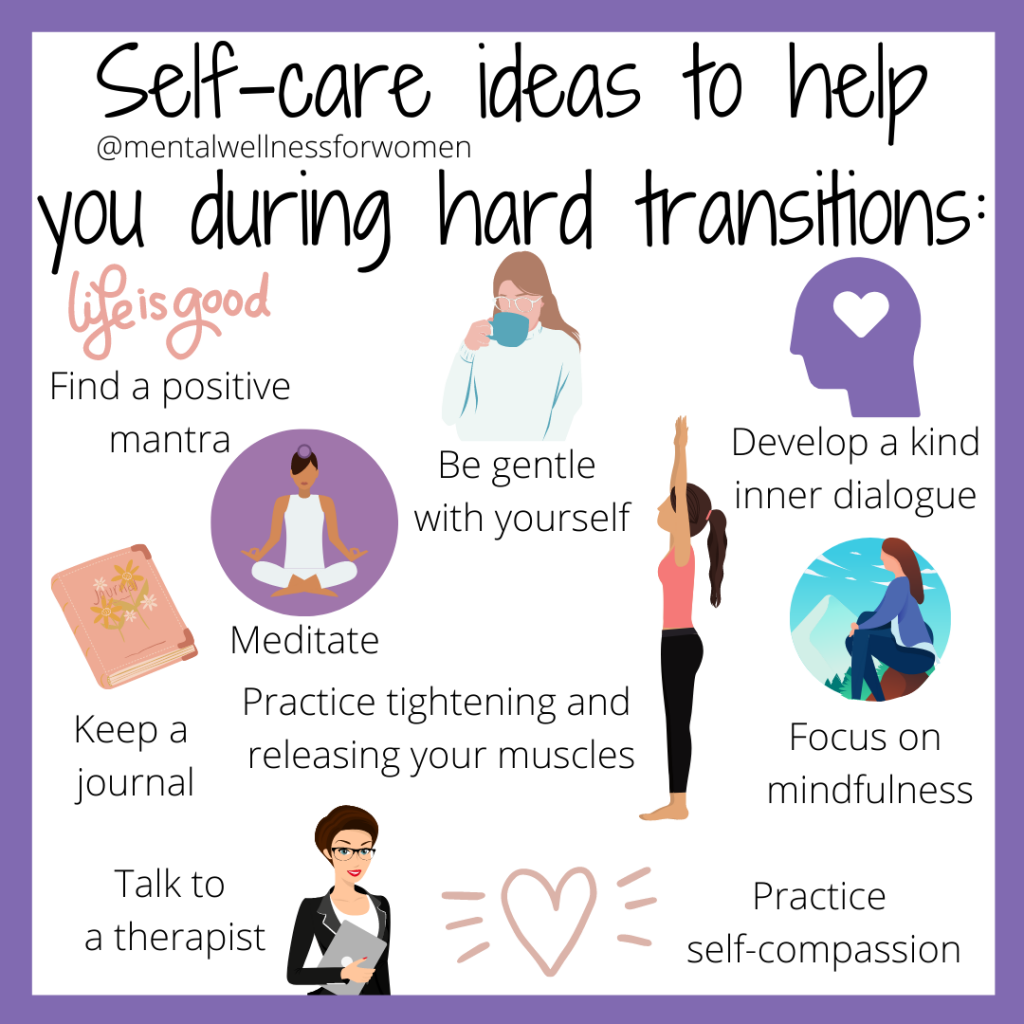
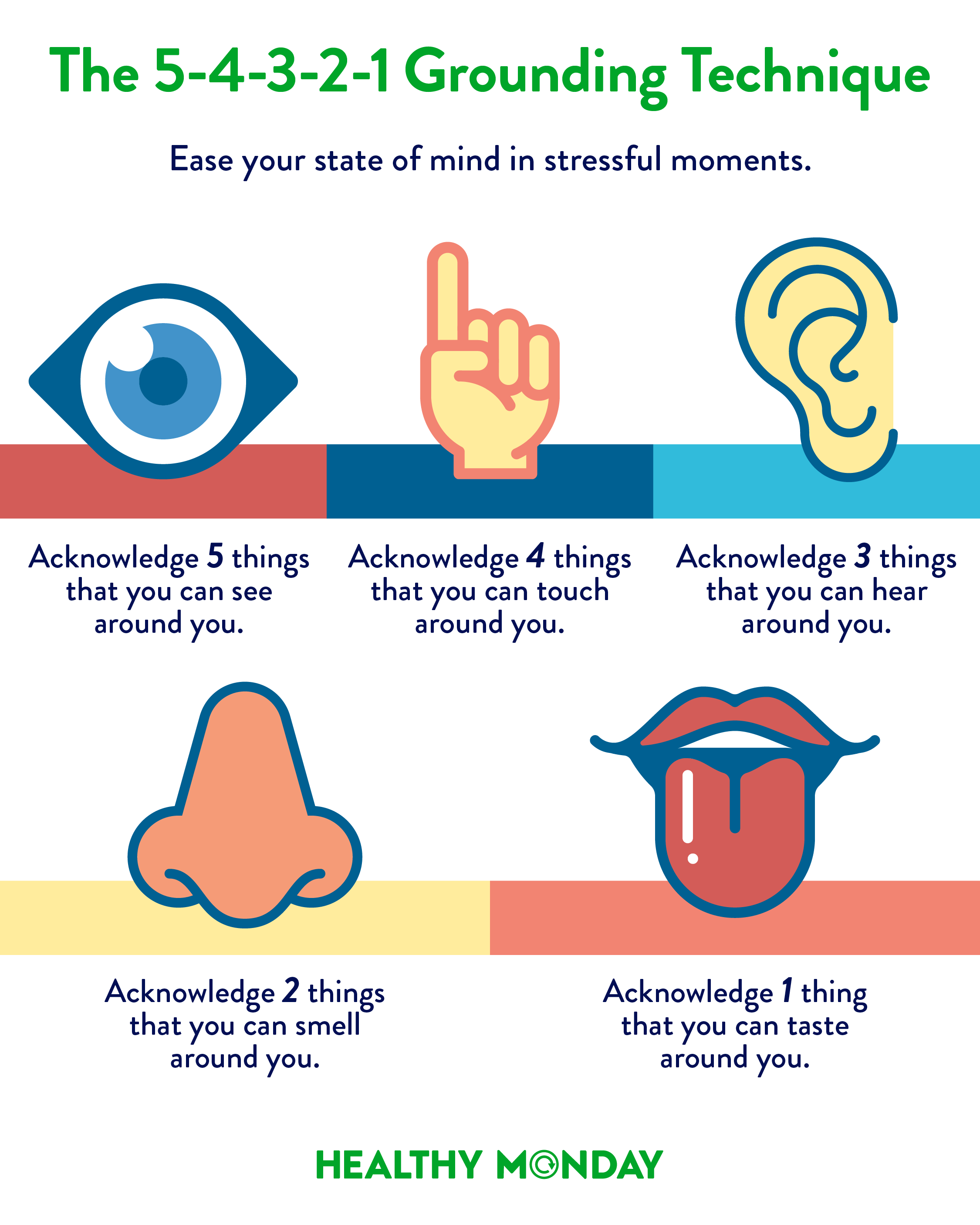
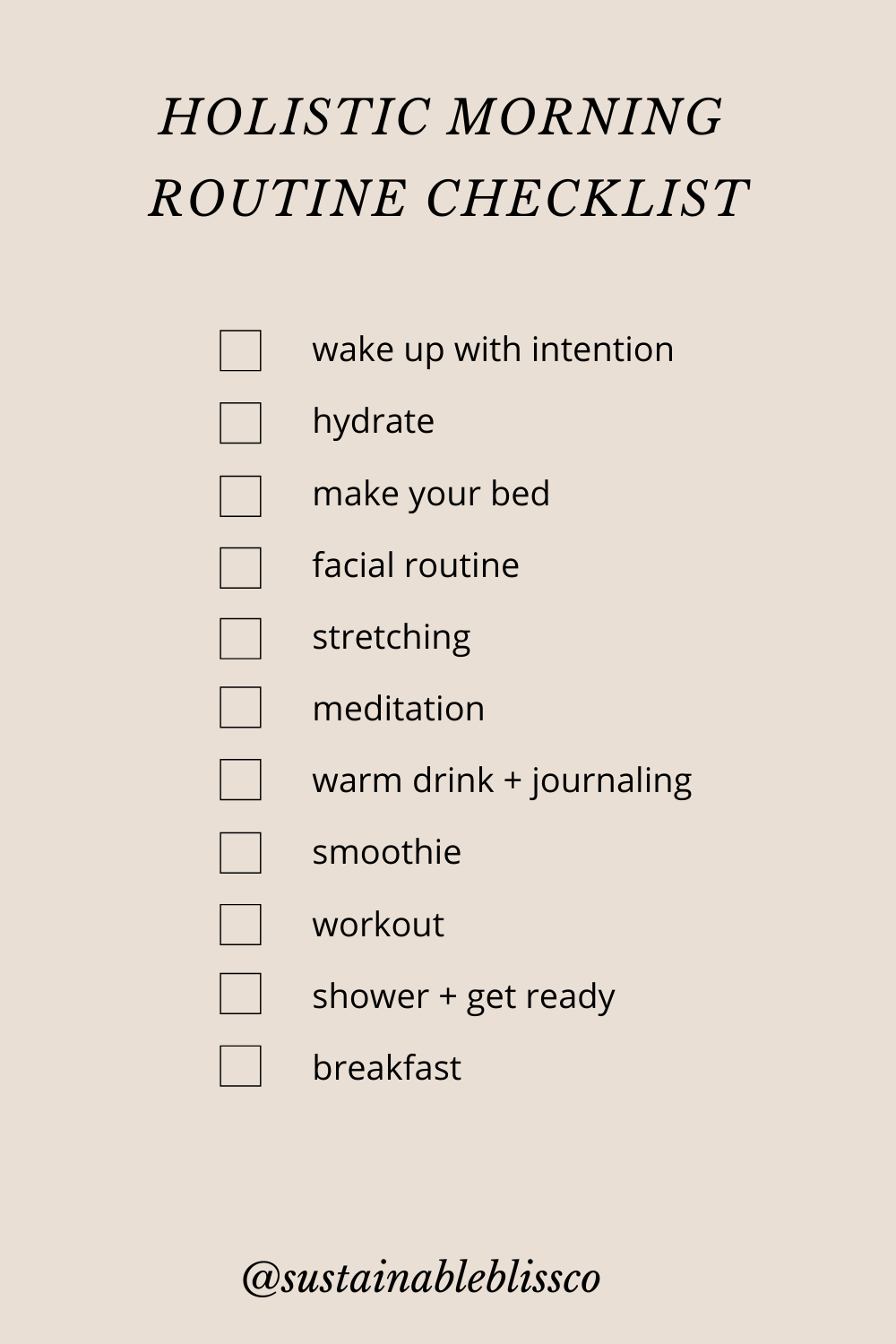
Routines provide psychological safety during uncertainty.
Helpful anchors include:
Morning or evening rituals
Physical movement
Mindfulness or meditation
Creative expression
Consistency creates a sense of continuity when life feels fragmented.
5. Seek Support and Connection


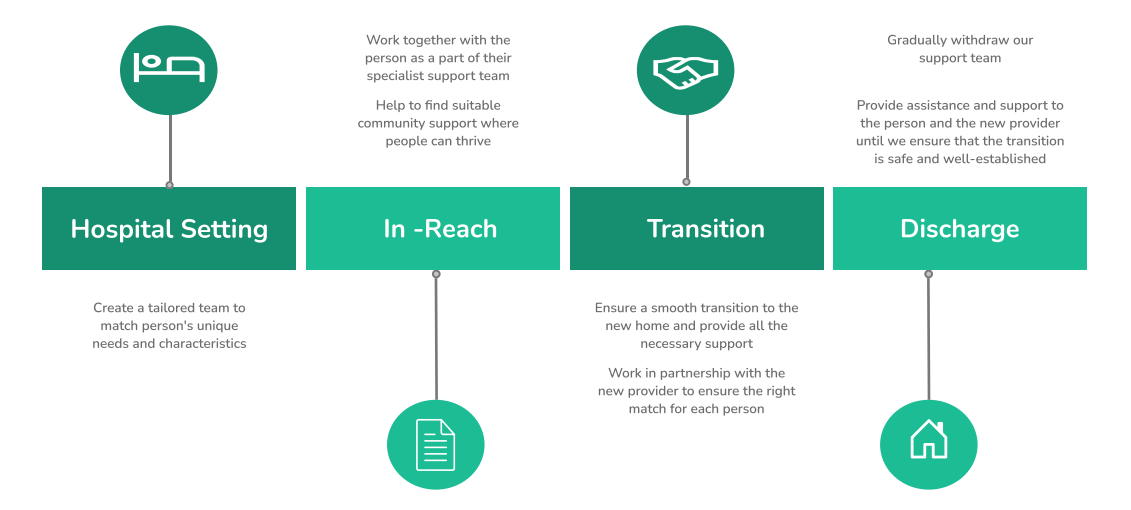
You don’t have to navigate change alone.
Support can come from:
Friends and family
Mentors or coaches
Support groups
Therapists or counselors
Sharing your experience reduces isolation and increases perspective.
6. Allow Time—Adaptation Is Not Instant




One of the most overlooked strategies is patience.
Healing is not linear
Setbacks are part of progress
Growth happens gradually
Give yourself grace as you adjust.
7. Redefine Your Identity with Compassion
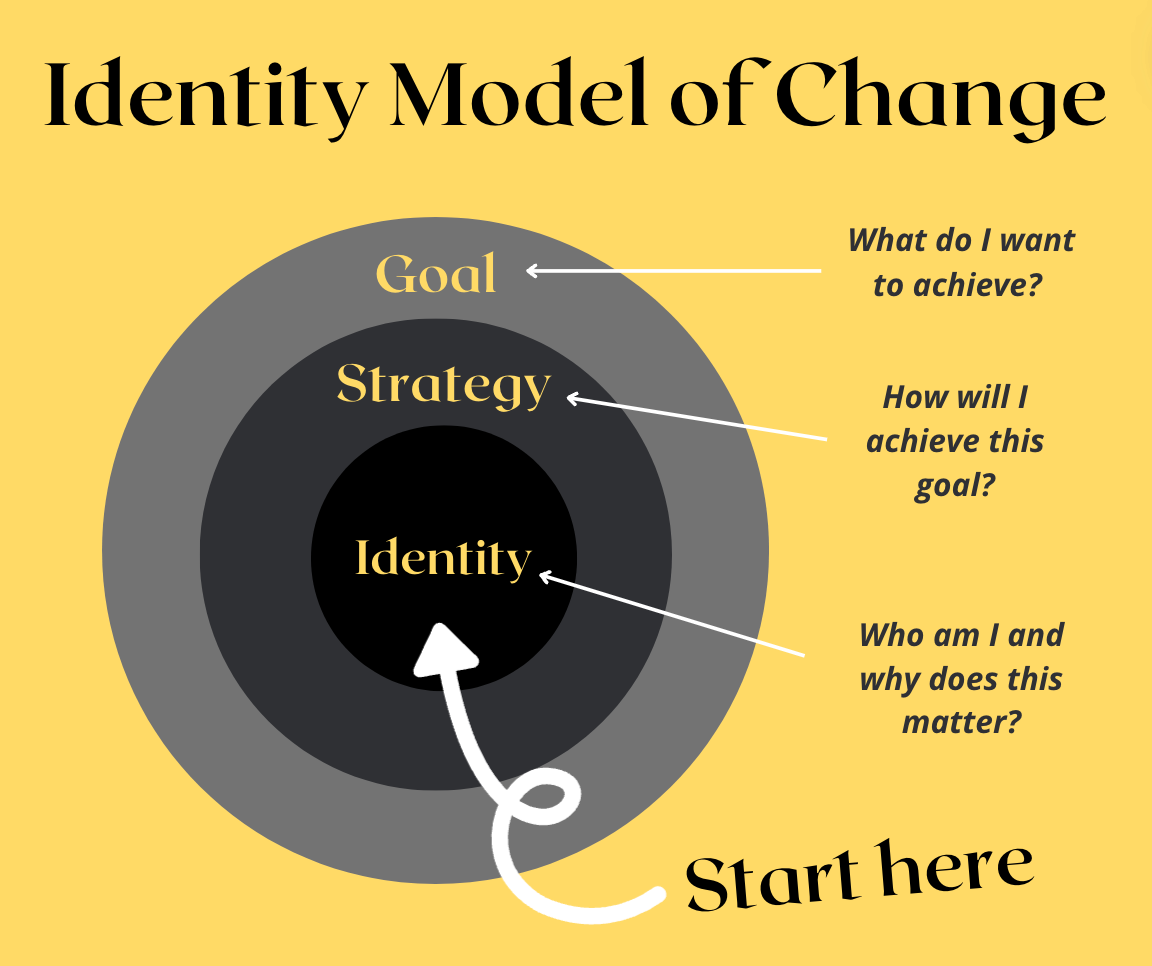



Transitions often invite reinvention.
Reflect on:
Who am I becoming?
What values guide me now?
What parts of myself do I want to strengthen?
You are allowed to evolve.
Building Resilience Through Change
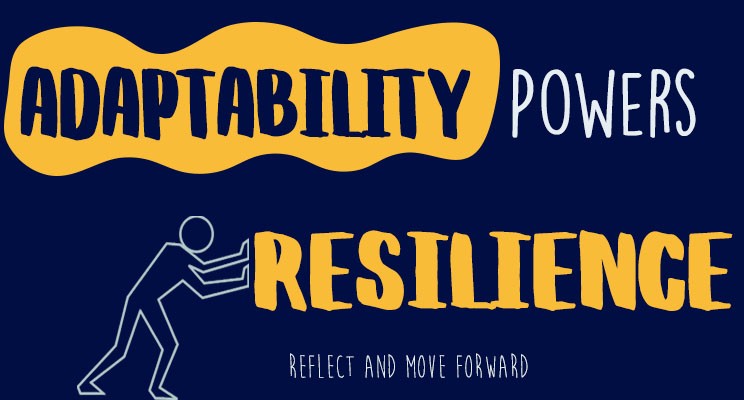
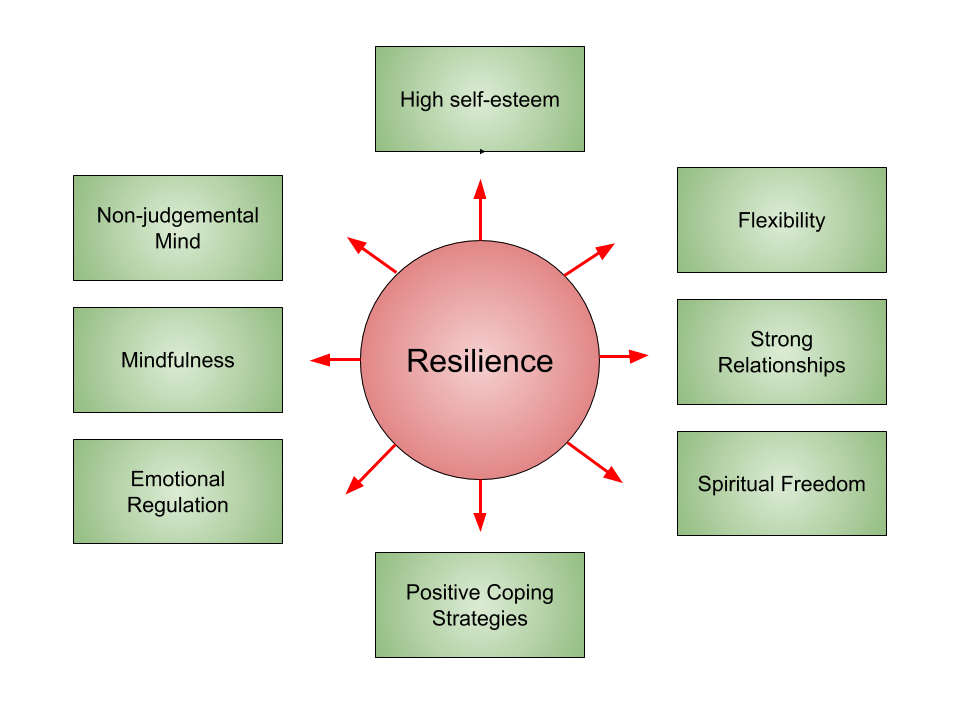
Resilience is not about being unshaken—it’s about recovering, learning, and continuing forward.
Resilient Practices
Self-compassion
Flexibility in expectations
Curiosity instead of fear
Hope grounded in action
Each transition strengthens your capacity to handle the next.
Common Myths About Change
❌ “I should already be over this”
❌ “Change means I failed”
❌ “Feeling scared means I’m weak”
✅ Change is a human experience
✅ Growth often feels uncomfortable
✅ Courage includes vulnerability
Conclusion
Life transitions are not detours—they are defining moments. While change can feel unsettling, it also holds the potential for renewal, clarity, and deeper self-understanding. By honoring your emotions, building supportive routines, seeking connection, and reframing challenges as growth opportunities, you can navigate change with strength and self-trust.
You don’t have to have everything figured out to move forward.
Sometimes, adapting to change is how you discover who you truly are. 🌱


Comments
Post a Comment