Mindful Eating: Cultivating Awareness and Pleasure in Meals
Nature Therapy: Harnessing the Healing Power of the Outdoors
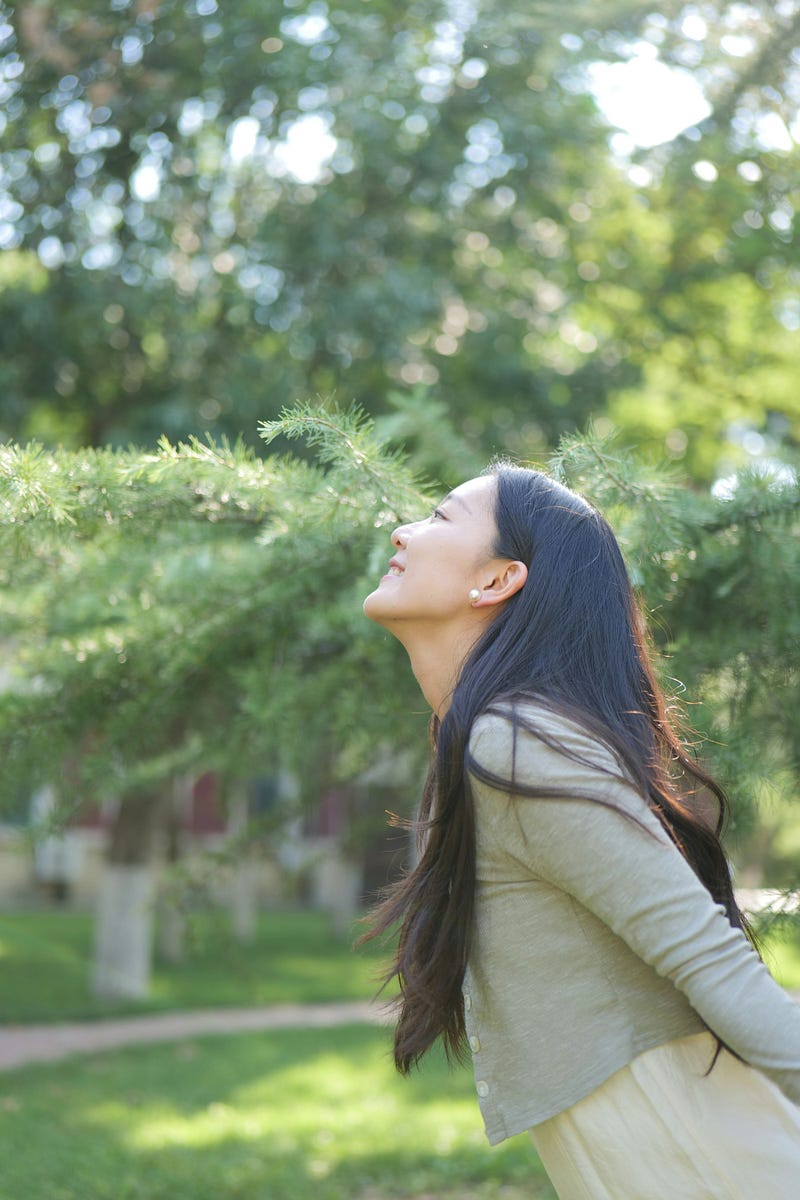
Nature Therapy: Harnessing the Healing Power of the Outdoors
Introduction
For most of human history, people lived immersed in nature. The rhythms of seasons regulated their lives. Natural light determined sleep and activity. They moved through landscapes daily. They encountered weather, plants, animals, and the profound reality of being embedded in a living world.
Modern life has severed this connection. We spend 90% of our time indoors, in artificial light, surrounded by screens and human-made environments. We’ve traded the living world for controlled interiors. The psychological and physical cost is profound: anxiety and depression have skyrocketed. Stress-related illnesses have multiplied. Our nervous systems remain perpetually dysregulated. We suffer from what psychologists call “nature deficit disorder” — illness stemming from disconnection from the natural world.
Yet nature remains available. Within minutes of most populated areas, some form of nature awaits. And the scientific evidence is clear and compelling: time in nature heals. It reduces stress hormones, lowers blood pressure, improves mood, enhances creativity, strengthens immunity, and produces measurable physiological and psychological benefits.
Nature therapy — deliberately using nature’s healing properties — is not mystical. It’s grounded neuroscience. It’s accessible medicine available to anyone. This guide explores how nature heals, the specific benefits of nature exposure, and practical ways to integrate nature therapy into your life.
Understanding Nature’s Healing Mechanisms
Before exploring how to engage with nature therapeutically, it’s valuable to understand the mechanisms through which nature heals.
The Stress Reduction Theory
One of the most researched mechanisms is stress reduction. Your sympathetic nervous system — the stress response — evolved to respond to predators and immediate physical threats. In modern life, it activates in response to emails, traffic, financial worries, and social anxiety. It floods your system with cortisol and adrenaline, preparing for fight-or-flight in situations where neither is appropriate.
Nature provides a different sensory environment. The complexity of natural scenes — patterns of trees, water, clouds, and light — engages your attention without demanding it (what researchers call “soft fascination”). This attention differs from directed attention required in urban environments or by work demands.
This soft fascination allows your directed attention system to rest and recover. Simultaneously, natural environments lack the threat-related stimuli that activate your stress response. Trees don’t threaten you. Water doesn’t demand urgency. The evolutionary response to nature is not threat-assessment but rather the more primitive relaxation response.
The result is measurable: cortisol decreases, heart rate drops, blood pressure lowers, and muscle tension releases. Your nervous system begins to genuinely relax.
The Biophilia Hypothesis
Biophilia — literally “love of life” — is the hypothesis that humans have an innate need to connect with nature and living systems. This need isn’t cultural but biological, shaped by the millions of years humans evolved in natural environments.
This hypothesis explains why nature feels comforting and healing even when you’re not consciously thinking about it. Your nervous system recognizes nature as home, as safe, as the environment it evolved within. At a fundamental level, you relax in nature because you’re embedded in the place you belong.
Modern research supports this: hospital patients with views of nature recover faster than those with views of walls. Office workers with indoor plants show better stress recovery than those without. Even brief nature exposure relieves psychological distress.
Attention Restoration Theory
Modern life demands constant directed attention — focus, concentration, vigilance, decision-making. This creates mental fatigue that builds throughout the day. You become depleted, irritable, unable to concentrate. This is why you feel so tired despite not doing physical labor.
Nature restores this depleted attention. Natural scenes capture attention effortlessly (soft fascination), allowing directed attention to rest. After time in nature, your attention capacity replenishes. You can focus again. You think more clearly. You’re less irritable.
Research shows that even brief nature exposure — 20–30 minutes — produces measurable restoration of attention capacity. Working memory improves. Complex problem-solving capacity increases. Creativity enhances.
Connection and Mortality Salience
Beyond stress relief and attention restoration, nature connects you to something larger than yourself. Nature awareness involves recognizing yourself as part of a living system, subject to natural cycles of birth, growth, death, and renewal. This awareness — sometimes called “mortality salience” — can initially feel uncomfortable, but it ultimately produces profound meaning.
Understanding your place in a vast, interconnected living world puts human worries in perspective. Problems feel more manageable when you recognize you’re part of something ancient and enduring. This perspective naturally reduces anxiety and increases acceptance.
The Neuroscience of Nature Exposure
Understanding what happens in your brain during nature exposure illuminates why it’s so powerful.
Prefrontal Cortex Quieting
Your prefrontal cortex — the thinking, planning, judging brain — becomes hyperactive in modern life. Constant decisions, social demands, and information processing keep it engaged throughout the day. This sustained activation leads to depletion.
Nature exposure quiets prefrontal cortex activity. Your brain’s default mode network — associated with self-referential thinking — becomes less active. This means less rumination, less self-consciousness, less harsh self-judgment.
Paradoxically, by quieting your conscious mind, nature allows your subconscious processing to work more effectively. This is why ideas often emerge during or after nature time. Creativity benefits from this mental quieting.
Parasympathetic Activation
Your parasympathetic nervous system — rest-and-restore mode — activates readily in nature. Without perceived threats, without demands for constant attention, your body relaxes.
This isn’t temporary. Regular nature exposure can shift your baseline from chronically activated sympathetic dominance toward greater parasympathetic tone. Over time, you become more naturally relaxed, less reactive.
Brainwave Pattern Changes
Exposure to nature — particularly forests and water — produces specific brainwave changes. Alpha waves, associated with relaxation and creativity, increase. Beta waves, associated with stress and vigilance, decrease.
These changes begin within minutes of exposure and compound with longer engagement. This is why even brief nature contact provides benefit, and why extended time produces greater changes.
Neurochemical Shifts
Multiple neurochemicals shift with nature exposure:
Serotonin: Sunlight exposure increases serotonin production, supporting stable mood.
Dopamine: Nature provides rewarding stimuli (beauty, novelty, interest), increasing dopamine and motivation.
GABA: Calming neurotransmitter, increased through parasympathetic activation.
Cortisol: Stress hormone decreases with nature exposure.
Endorphins: Natural opioid chemicals increase, producing natural pain relief and mood elevation.
These chemical shifts produce both immediate and lasting benefits. Acute benefits occur during nature exposure. Regular exposure creates lasting changes in baseline neurochemistry.
The Physical Health Benefits of Nature Therapy
Beyond psychological benefits, nature exposure produces measurable physical health improvements.
Immune Function Enhancement
Time in nature — particularly forests — enhances immune function through multiple mechanisms:
Forest bathing compounds: Trees release phytoncides (volatile organic compounds) that when inhaled increase natural killer cell activity. These immune cells patrol your body eliminating pathogens and abnormal cells.
Sunlight exposure: Natural light exposure regulates circadian rhythms and supports immune function.
Microbial exposure: Biodiverse natural environments expose you to diverse microbes that strengthen immune tolerance and diversity.
Research shows that forest exposure increases natural killer cell activity for days after exposure. Regular nature contact produces sustained immune enhancement. For those in high-stress professions or with compromised immunity, nature exposure provides measurable protective benefit.
Cardiovascular Health
Nature exposure lowers blood pressure, reduces heart rate, and improves heart rate variability — a marker of cardiovascular resilience. These changes occur both acutely and cumulatively with regular exposure.
Additionally, nature exposure often involves gentle movement (walking), which provides cardiovascular benefits. Even stationary nature exposure (sitting in nature) produces cardiovascular improvements.
Inflammation Reduction
Chronic stress produces chronic inflammation underlying most modern diseases. Nature exposure reduces inflammatory markers in blood tests, producing measurable health improvement.
This inflammation reduction likely results from stress hormone reduction, the immune system changes from phytoncide exposure, and the parasympathetic activation nature produces.
Sleep Quality Improvement
Natural light exposure regulates circadian rhythms, supporting healthy sleep-wake cycles. Spending time in sunlight — particularly morning sunlight — improves nighttime sleep quality. Additionally, the parasympathetic activation and stress reduction from nature exposure facilitate better sleep.
For those struggling with insomnia or sleep disturbance, time in nature is among the most accessible interventions.
Pain Management
Nature exposure provides natural pain relief through multiple mechanisms:
Endorphin release: Natural pain-relieving chemicals increase.
Attention redirection: Pain decreases when attention focuses elsewhere. The soft fascination of nature redirects attention from pain.
Stress reduction: Stress amplifies pain perception. By reducing stress, nature reduces pain.
Research shows that even viewing nature (through windows) reduces pain perception in hospitalized patients. Direct nature exposure produces greater benefits.
Psychological and Emotional Benefits
Beyond physical health, nature profoundly benefits mental and emotional well-being.
Stress and Anxiety Reduction
This is the most researched benefit. Multiple studies confirm that nature exposure reduces anxiety and stress:
- Cortisol levels drop measurably
- Heart rate and blood pressure decrease
- Self-reported anxiety and stress decrease
- Effects are measurable within minutes and increase with duration
For those with anxiety disorders, regular nature exposure provides relief comparable to some medications.
Depression Alleviation
Depression often involves lack of motivation, pleasure, and energy. Nature exposure addresses all three:
- Sunlight exposure provides natural mood lift
- Beautiful or interesting environments restore motivation and interest
- Movement often accompanies nature engagement
- Connection to something larger than yourself provides perspective and meaning
Research shows nature exposure alleviates depression symptoms. For those with major depression, nature should be part of comprehensive treatment.
Improved Mood and Emotional Resilience
Beyond clinical conditions, most people report improved mood after nature exposure. This reflects both neurochemical shifts and the psychological benefit of being in a beautiful, non-demanding environment.
Regular nature exposure builds emotional resilience — the capacity to bounce back from difficulties. With greater baseline calm and less activation of stress responses, challenges feel more manageable.
Enhanced Creativity and Problem-Solving
Nature’s complexity and novelty activate creative thinking. Additionally, the mental quieting nature produces allows subconscious processing — where real creativity often occurs.
Many creative professionals find that nature time is essential for their work. Taking breaks in nature increases the quality and quantity of creative output. For those struggling with problems, nature time often yields insights that conscious effort didn’t produce.
Improved Attention and Focus
As mentioned, nature restores depleted attention capacity. Beyond this restoration, nature exposure improves baseline attention. Regular nature engagement supports better focus and concentration in daily life.
For those with attention difficulties or ADHD, nature exposure provides benefits — some studies show benefits comparable to medication.
Self-Esteem and Self-Connection
Nature engagement — particularly activities requiring skill or challenge — builds self-esteem. Additionally, time away from social comparison and judgment allows genuine self-connection. In nature, you’re free from the performance pressures of social environments.
Different Types of Nature Exposure and Their Benefits
While all nature exposure provides benefits, different types offer specific advantages.
Forests and Trees
Forest environments offer particular benefits due to phytoncide exposure and the restorative impact of forest complexity:
Forest bathing (shinrin-yoku) — slowly walking through forests, absorbing the environment — provides measurable immune enhancement and stress reduction.
Benefits: Immune enhancement, strongest stress reduction, attention restoration, sense of awe and perspective.
Access: Urban parks with significant tree coverage, nature preserves, forests.
Water Environments
Water — oceans, lakes, rivers, streams — provides distinct benefits:
Benefits: Profound stress relief, sense of awe, fascination (both soft and moderate), cooling effect, movement opportunities, sound (water sounds are particularly calming).
Access: Beaches, lakes, rivers, fountains, even photos or recordings of water.
Research shows that even viewing water produces measurable benefits. Living near water correlates with better mental health. The “blue space effect” is well-documented.
Mountains and Elevation
Mountain environments provide:
Benefits: Sense of awe and perspective, attention restoration, moderate physical challenge (if hiking), visual complexity and beauty.
Access: Mountain regions, hills, high-elevation parks.
Parks and Green Spaces
Urban and suburban parks provide accessible nature benefits:
Benefits: Stress reduction, attention restoration, community connection (parks are social spaces), accessible movement opportunity.
Access: Most urban areas have parks within walking distance.
Gardens
Whether tending your own or visiting others, gardens provide:
Benefits: Active engagement, sense of purpose, creativity, food production, stress reduction, engagement with growth and seasons.
Access: Home gardens (even container gardens), public gardens, community gardens.
Wilderness and Solitude
Backcountry and wilderness experiences provide:
Benefits: Profound sense of awe, solitude and self-connection, perspective, adventure, challenge and growth.
Access: Hiking trails, camping, wilderness areas (requires more planning but available in most regions).
Urban Nature
Even in dense cities, nature exists in small forms:
Benefits: Accessible stress relief, attention restoration, connection to living systems.
Examples: Street trees, window plants, birds, insects, sky, weather.
Nature Therapy Practices: Specific Approaches
Beyond simply spending time outside, specific practices maximize nature’s therapeutic benefits.
Forest Bathing (Shinrin-Yoku)
Originating in Japan, forest bathing is intentionally slow, mindful walking through forests. The practice involves:
Slow pace: Walking slowly enough to fully perceive the environment, ideally 2 km per hour or slower.
Sensory awareness: Deliberately engaging all senses — noticing colors, sounds, scents, textures, temperature.
No destination: Unlike hiking, which has a goal, forest bathing’s goal is the experience itself. There’s no endpoint.
Meditation-like awareness: Maintaining presence with the environment, allowing thoughts to pass without engagement.
Duration: 20–40 minutes produces measurable benefits. Longer is fine.
Forest bathing research shows measurable immune enhancement, stress reduction, and mood improvement. The practice is simple yet profoundly restorative.
Outdoor Mindfulness Meditation
Similar to meditation indoors, outdoor meditation uses nature as focal point:
Sit in nature: Choose a comfortable spot — beneath a tree, beside water, in a park.
Anchor attention: Rather than breath (as in indoor meditation), you might anchor attention on natural sounds, visual beauty, or bodily sensations.
Notice sensory experience: Observe colors, textures, sounds, movements.
Maintain open awareness: Rather than focusing narrowly, maintain open awareness of the environment.
Duration: 10–30 minutes produces restorative effects.
The combination of meditation’s attentional training with nature’s sensory richness creates powerful restoration.
Grounding (Earthing)
Grounding involves direct physical contact with earth — barefoot on soil, grass, or sand:
Mechanism: There’s emerging research that direct contact with earth’s electrical charge produces health benefits through neutralizing inflammation.
Practice: Remove shoes, stand or walk barefoot on natural surfaces, or sit with hands touching earth.
Duration: Even 10–30 minutes produces reported benefits. Longer is fine.
Whether the electrical mechanism is validated or not, the practice of barefoot contact with earth creates powerful sensory connection and often produces measurable stress relief.
Nature-Based Movement
Intentionally combining movement with nature engagement multiplies benefits:
Walking/Hiking: Moving through natural environments while engaging senses.
Trail running: Combines cardiovascular exercise with nature immersion and attention demands (balance, footing).
Swimming: Water immersion combined with physical activity.
Outdoor yoga: Moving practice in natural setting.
Tai chi in parks: Slow movement practice in open space.
Dancing outdoors: Expressive movement in natural setting.
These combine nature’s benefits with movement’s physical and psychological benefits.
Outdoor Creative Activities
Engaging in creative activities in nature combines creativity with nature immersion:
Outdoor sketching: Drawing what you see requires sensory attention and has the meditative quality of creative flow.
Nature photography: Photography encourages exploration, attention to light and composition, and creating beauty.
Nature writing/journaling: Writing about or describing nature observations deepens awareness and creates reflective practice.
Outdoor music: Playing instruments in natural settings combines self-expression with nature immersion.
Land art: Creating temporary art from natural materials, then leaving it to return to nature.
These activities engage you actively with nature while producing creative satisfaction.
Ecotherapy and Environmental Connection
Broader than individual wellness, ecotherapy involves consciously connecting your healing with environmental awareness:
Volunteer in nature: Conservation work, trail maintenance, planting trees.
Community gardening: Growing food or flowers with others.
Environmental advocacy: Channeling care for nature into action.
Seasonal awareness: Consciously noticing and honoring seasonal changes.
Wildlife connection: Learning about and observing local wildlife.
This approach recognizes that your well-being and environmental health are interconnected — healing yourself and healing the world occur together.
Integrating Nature Therapy into Daily Life
Nature therapy needn’t require major life changes. It can be integrated into existing routines.
Daily Nature Exposure
Micro-exposures: Even 5–10 minutes of nature daily produces measurable benefits. A morning walk, lunch in a park, evening sit outside — these small exposures accumulate.
Window viewing: For those with limited outdoor access, viewing nature through windows still produces measurable stress reduction.
Indoor plants: Living plants in your home and workspace improve air quality, provide focus for attention, and create living connection to nature.
Natural light: Maximizing natural light exposure — by sitting near windows, spending time outside — supports circadian rhythms and mood.
Weekly Nature Immersion
Dedicated time: Schedule weekly time for deeper nature engagement — a park walk, hiking, swimming, or sitting in nature without agenda.
Duration: 1–3 hours allows fuller immersion and restoration.
Consistency: Weekly practice is more beneficial than occasional longer trips.
Seasonal Nature Engagement
Notice seasonal changes: Pay attention to how plants, light, weather, and wildlife change through seasons. This deepens connection and provides perspective.
Celebrate seasons: Mark seasonal transitions, engage in season-appropriate activities, honor the cycle of growth and rest.
Winter activity: Winter has its own beauty and benefits. Engaging with winter — cold, bare landscapes, different light — provides unique restoration.
Community Nature Engagement
Group activities: Walking groups, hiking clubs, gardening communities provide both nature and social benefits.
Family time in nature: Sharing nature with loved ones creates bonding and modeling healthy nature connection.
Teaching nature: Sharing nature experiences with children or mentees creates intergenerational connection and meaning.
Creating Your Personal Nature Practice
Rather than generic recommendations, developing a personal nature practice aligned with your preferences and context works best.
Assessing Your Nature Access
Honestly evaluate what nature is accessible to you:
- Parks or green spaces near home?
- Water environments?
- Trees or gardens?
- Wilderness areas within reasonable distance?
- What’s realistic given your schedule and mobility?
Working with actual access rather than ideal access creates sustainable practice.
Identifying Your Preferences
Notice what nature calls to you:
- Water or forests?
- Solitude or companionship?
- Active engagement (hiking, swimming) or passive (sitting, viewing)?
- Structured time or spontaneous?
Practice aligned with your preferences becomes a joy rather than obligation.
Creating Routine
Rather than sporadic nature time, create consistent rhythm:
Daily: Brief exposure (morning walk, lunch outside, evening sit)
Weekly: Longer immersion (park visit, hiking, gardening)
Monthly or seasonal: More extensive engagement (day trips, wilderness experiences)
Consistency produces greater benefits than sporadic extended exposure.
Removing Barriers
Identify obstacles to nature time and problem-solve:
- Time: Can you integrate nature into existing routines (walk to work, lunch outside)?
- Transportation: Can you access nature by walking, or do you need to drive?
- Physical limitations: Are there accessible trails or seated options?
- Weather: Can you engage year-round, or do seasons limit access?
- Motivation: Can accountability partners increase consistency?
Removing barriers makes practice sustainable.
Nature Therapy for Specific Conditions
While nature benefits everyone, specific conditions benefit particularly from nature engagement.
Anxiety and Panic Disorders
Nature’s calming effect is powerful for anxiety:
Practice: Regular, consistent nature exposure builds parasympathetic tone, reducing baseline anxiety. During acute anxiety, nature exposure provides rapid relief.
Mechanism: The non-threatening sensory environment and soft fascination of nature interrupt anxiety’s escalation.
Integration: Daily brief exposure plus longer weekly engagement, plus using nature as emergency tool during anxiety spikes.
Depression
Nature combats depression through multiple mechanisms:
Practice: Sunshine exposure, engagement with living growth, movement in natural environments, and the perspective nature provides all address depression.
Frequency: Daily exposure is most beneficial. Morning sunlight is particularly important.
Integration: Morning walks in sunlight, spending time in gardens or parks, engaging with water.
ADHD and Attention Difficulties
Paradoxically, nature’s complexity helps those with attention challenges:
Practice: Nature’s soft fascination engages attention naturally without demanding directed focus. Regular exposure strengthens attention capacity.
Mechanism: Rather than the struggle of forced focus indoors, nature engagement feels effortless while still providing attentional training.
Integration: Outdoor activities (trail walking, outdoor sports), nature study, outdoor meditation.
Trauma and PTSD
Nature provides both safety and processing space for trauma:
Practice: The non-threatening environment of nature creates safety. The sensory engagement provides grounding. The vastness of nature provides perspective on trauma.
Caution: Those with severe trauma should work with trauma-informed therapists. Nature supports but doesn’t replace trauma treatment.
Integration: Gentle nature exposure, grounding in nature, gradual expansion of outdoor comfort zones.
Chronic Stress and Burnout
Nature is a primary recovery tool for chronic stress:
Practice: Regular, extended nature time activates parasympathetic recovery. The mental quieting of nature allows genuine rest of mental systems.
Frequency: Weekly extended time in nature is particularly important for those in high-stress roles.
Integration: Nature sabbaticals (days or weeks in nature), weekly immersion, daily brief exposure.
Grief and Loss
Nature provides both comfort and perspective in grief:
Practice: The cycles of nature — growth, death, renewal — provide metaphor and perspective for grief. The beauty and continuation of nature provide comfort.
Rituals: Creating meaningful rituals in nature (sitting with grief in forests, water ceremonies) can support grief processing.
Integration: Regular nature time, creating meaningful nature spaces or rituals, engaging with seasonal cycles.
The Challenges and How to Navigate Them
Common obstacles prevent nature engagement. Anticipating and planning for them increases success.
Time Constraints
Busy schedules often push nature time off the list. Solutions:
- Reframe nature time as health maintenance, not luxury
- Integrate nature into existing routines (walk instead of drive, lunch outside)
- Start with minimal time (even 10 minutes) rather than abandoning the goal
- Schedule it like any important commitment
Weather and Seasons
Bad weather can prevent outdoor time. Solutions:
- Invest in weather-appropriate clothing
- Recognize that all weather has its own beauty and benefits
- Winter, rain, and wind have restorative qualities
- Shorter exposure on harsh days is still valuable
Physical Limitations
Mobility challenges, pain, or disabilities might limit traditional hiking. Solutions:
- Accessible parks and trails exist in most areas
- Seated nature engagement (park benches, water viewing) provides full benefits
- Shorter walks or gentle movement in nature work
- Window views and indoor plants provide benefits
- Virtual nature (videos, photos) offers some benefits when direct access isn’t possible
Urban Living
City living seems incompatible with nature access. Solutions:
- Most cities have parks within walking distance
- Street trees and small green spaces count
- Roof gardens and balcony plants create nature connection
- Water features (fountains, rivers) provide benefits
- Weekend trips to natural areas are possible even from cities
Social Pressure or Judgment
Some feel judgment for prioritizing nature time. Solutions:
- Frame nature time as health necessity (it is)
- Find nature communities where this is valued
- Start alone, build confidence, invite others
- Recognize that your wellness supports your relationships
Nature Anxiety
Some have anxiety in natural environments — fear of wildlife, getting lost, storms. Solutions:
- Start in safe, developed spaces (parks)
- Gradually expand to less developed areas
- Learn about wildlife to reduce fear
- Consider therapy if nature anxiety is severe
- Urban or developed nature (parks, gardens) provides benefits
Nature Therapy and Environmental Connection
As you engage in nature therapy, many people develop deeper environmental awareness and commitment.
From Healing to Environmental Action
Regular nature connection often catalyzes environmental concern:
- You recognize how pollution affects places you love
- You understand interconnection of living systems
- You want to protect what heals you
- Your personal healing and environmental healing become intertwined
This evolution is healthy and natural. Healing yourself in nature often inspires action toward healing the world.
Sustainable Practice
Ensuring your nature therapy supports rather than damages environments:
Leave no trace: Take only photos, leave only footprints. Respect ecosystems you visit.
Minimize impact: Use established trails, respect wildlife, don’t remove plants or animals.
Support conservation: Vote for environmental protection, support conservation organizations, engage in stewardship.
Educate others: Share nature connection with others, teaching respect for natural spaces.
Advocate for nature access: Work to preserve and expand public natural spaces.
Building Your Nature Therapy Practice: A Progression
Rather than attempting perfect practice immediately, gradually develop depth.
Month 1: Establishing Access
- Identify accessible nature near home
- Visit 2–3 times to establish familiarity
- Notice what draws you
- Create weekly routine
Month 2: Developing Presence
- Practice 10–20 minutes of mindful presence during visits
- Engage senses deliberately
- Notice how you feel before and after
- Extend time gradually if desired
Month 3: Deepening Engagement
- Add daily brief exposure (walk, window time, plants)
- Expand weekly practice (duration or frequency)
- Try different nature types if possible
- Notice specific benefits (mood, energy, clarity)
Month 4 Onward: Integration and Evolution
- Nature time becomes natural part of rhythm
- Explore specific practices (forest bathing, grounding, creative activity)
- Deepen seasonal awareness
- Consider environmental action if called
Conclusion: Nature as Essential Medicine
Nature therapy is not supplementary wellness. It’s essential medicine. Our nervous systems evolved in natural environments. Our health depends on regular connection to the living world. Modern indoor life creates illness. Nature connection creates health.
The pathway is simple: spend time outside. Notice what you see, hear, smell, feel. Allow yourself to relax. Let your nervous system remember its home. Do this regularly, and your health transforms.
You don’t need special equipment, knowledge, or privilege. You need only time and openness. Even in cities, nature is available. Even with limited time, brief exposure helps. Even in poor weather, nature benefits persist.
Begin this week. Find nature near you — a park, a tree, water, a garden. Spend 20 minutes without agenda. Notice your senses. Notice how you feel. Repeat weekly, building consistency.
Notice what changes: your mood, your sleep, your stress levels, your clarity. Notice how the world looks when you’re truly paying attention. Notice the life that surrounds you, always available, always healing.
Nature is medicine. It’s free. It’s available. It works. Step outside and begin.


Comments
Post a Comment