Financial Wellness: Navigating Finances for a Stress-Free Life




Money affects nearly every aspect of our lives—our choices, relationships, health, and peace of mind. When finances feel uncertain or overwhelming, stress often follows. Financial wellness is not about being wealthy; it’s about feeling secure, in control, and confident with your financial decisions.
This article explores what financial wellness truly means, why it matters, and how to build a balanced, stress-free financial life through practical and sustainable habits.
What Is Financial Wellness?
Financial wellness refers to the state of having a healthy relationship with money, where you can:
Meet current financial obligations
Feel secure about the future
Make choices that allow you to enjoy life
Handle unexpected expenses without panic
It combines knowledge, behavior, mindset, and planning—not just income level.
Why Financial Wellness Matters


1. Reduces Stress and Anxiety
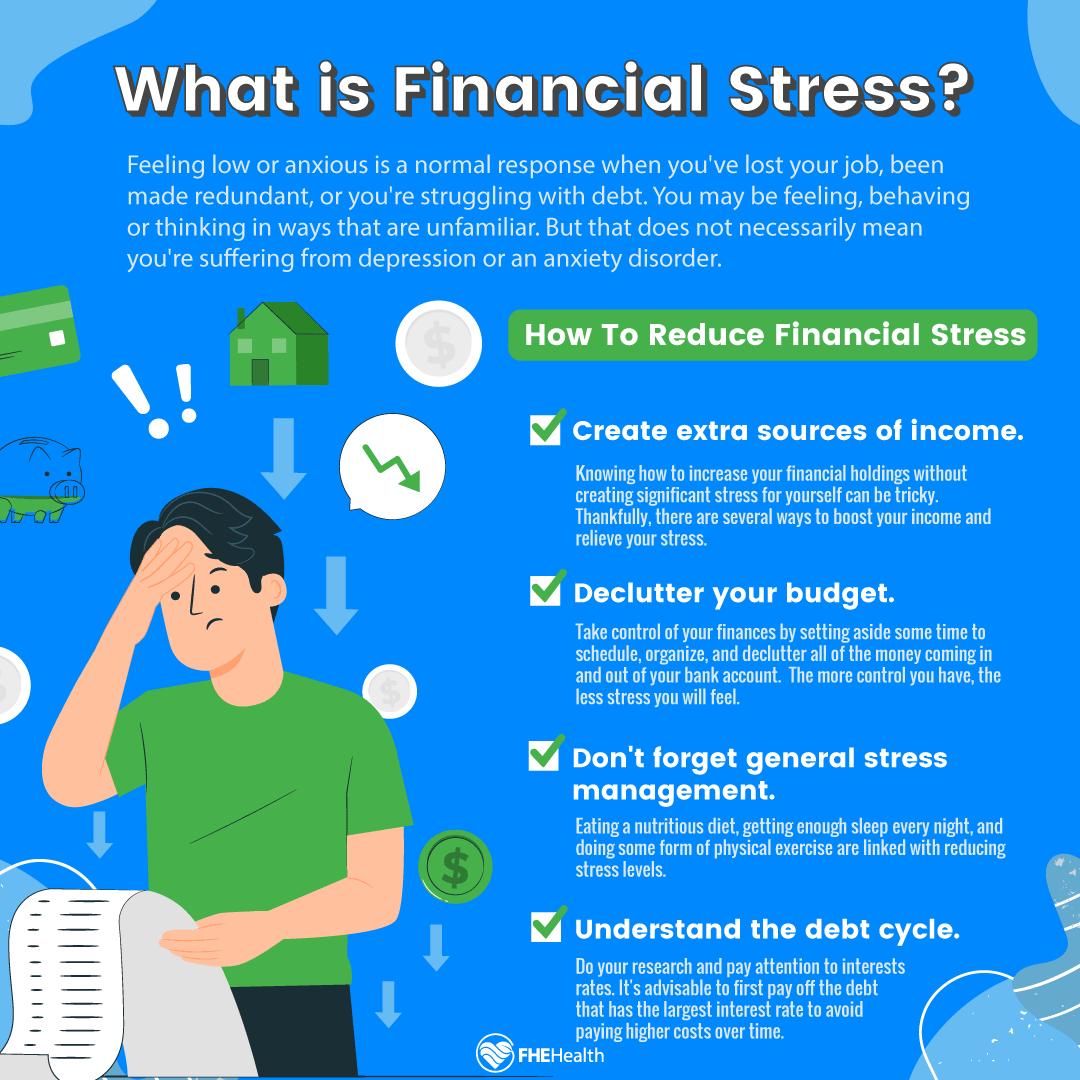
Money-related worries are a leading cause of chronic stress. Financial wellness provides clarity and control, easing mental and emotional pressure.
2. Improves Physical and Mental Health
Lower financial stress is linked to better sleep, improved focus, reduced anxiety, and healthier lifestyle choices.
3. Strengthens Relationships
Money conflicts often strain families and partnerships. Financial clarity encourages transparency, trust, and shared goals.
4. Empowers Better Life Decisions
With financial stability, you can make choices based on values rather than fear—career moves, education, travel, or entrepreneurship.
Core Pillars of Financial Wellness
1. Financial Awareness
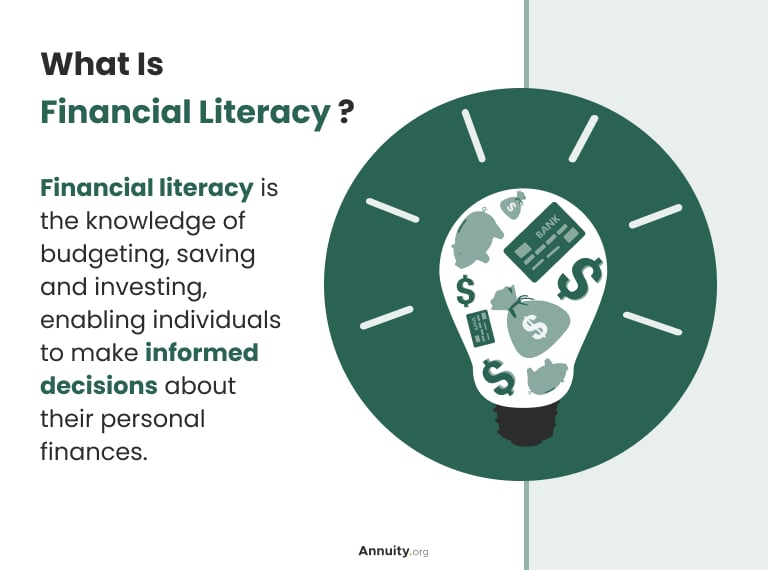


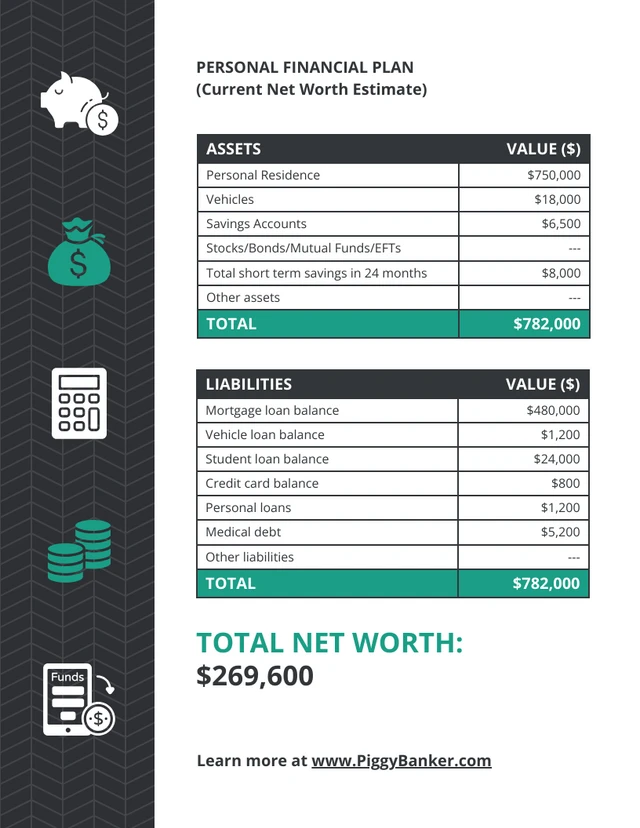
You can’t manage what you don’t understand.
Key Practices
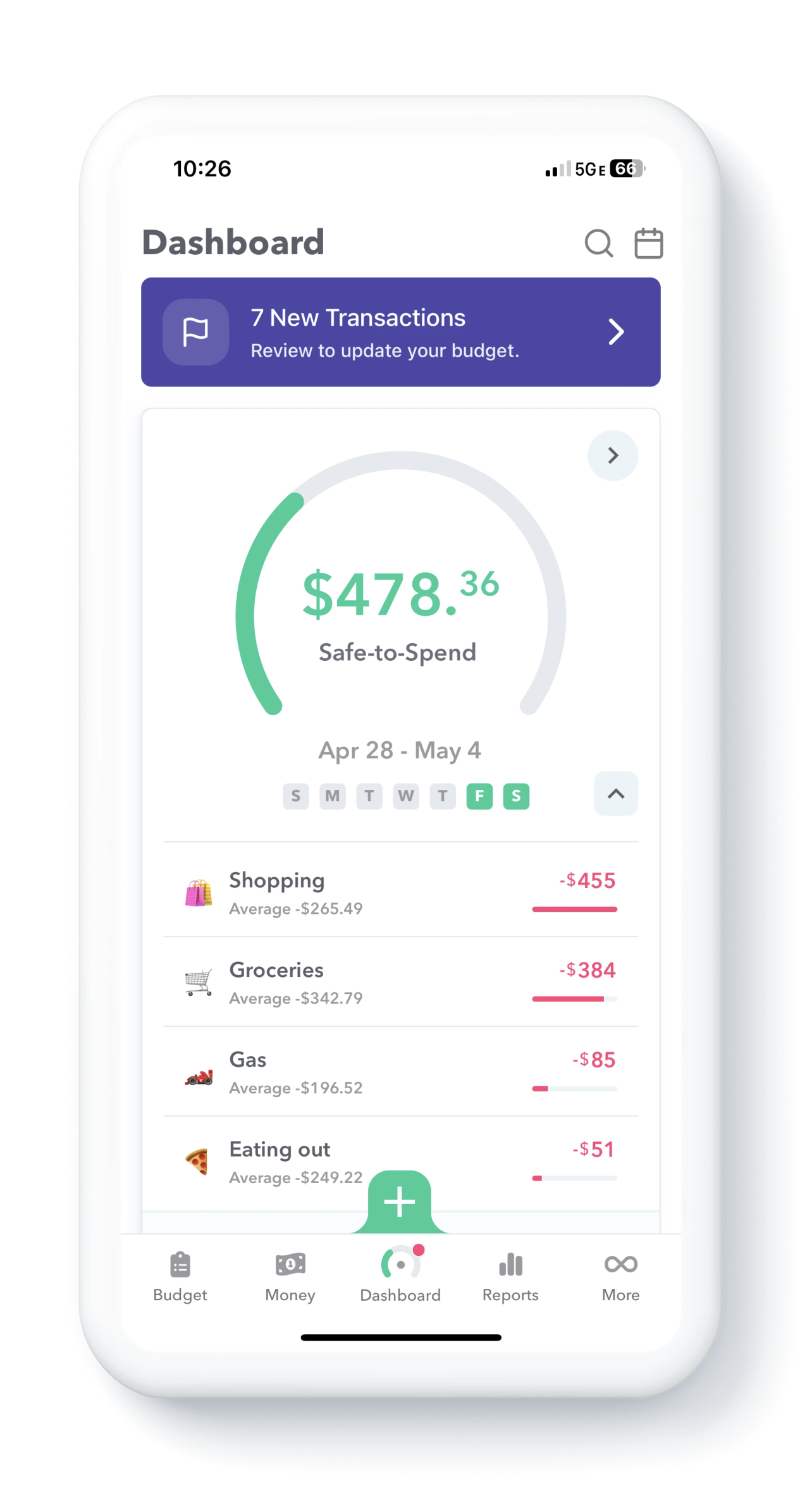
Track income and expenses
Identify spending patterns
Understand fixed vs. variable costs
Know your debts and obligations
Awareness builds the foundation for every other financial decision.
2. Budgeting Without Deprivation
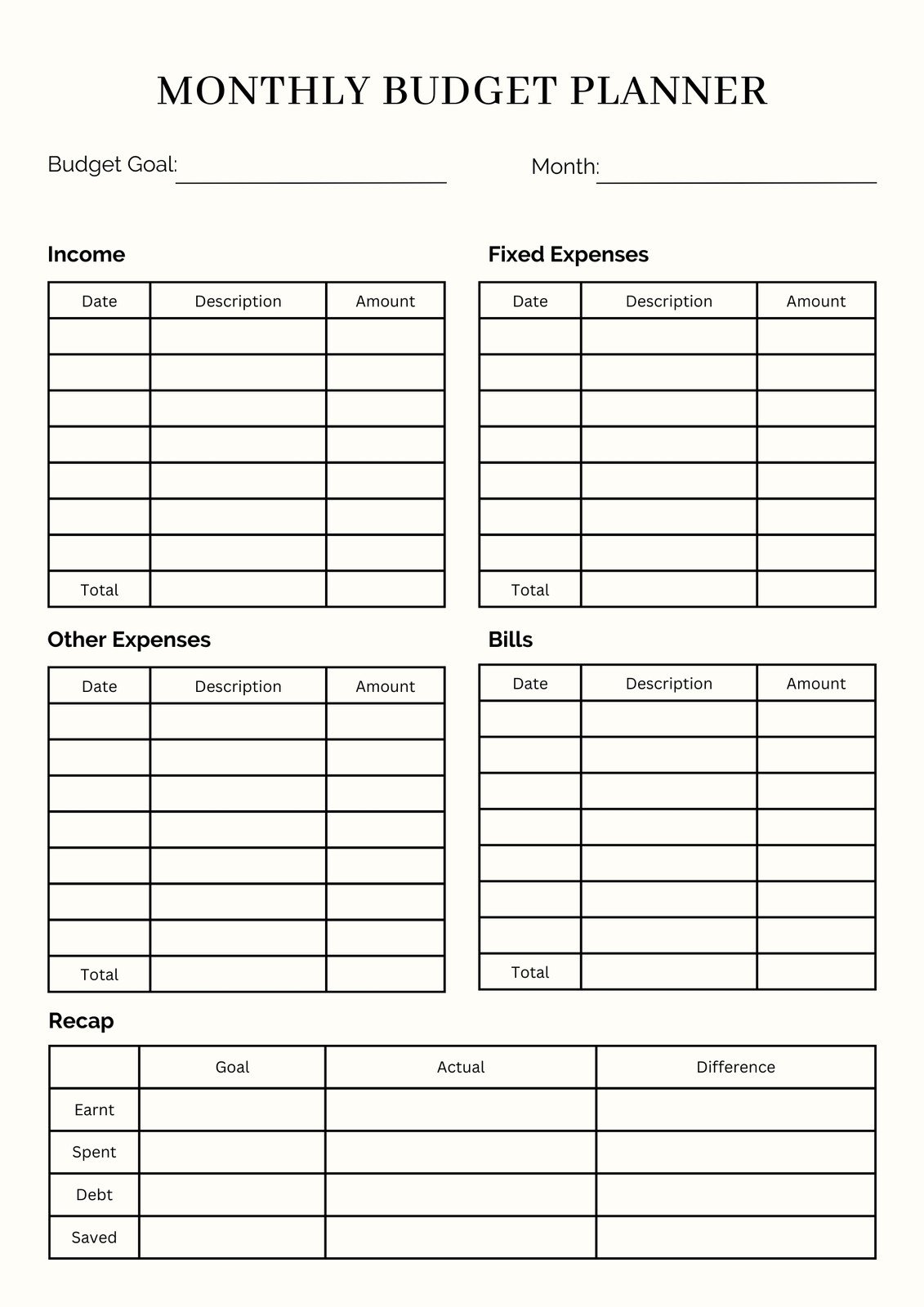


Budgeting isn’t about restriction—it’s about intention.
A Healthy Budget
Covers essentials comfortably
Allows for savings and investments
Includes guilt-free spending
Adapts to life changes
A realistic budget creates freedom, not frustration.
3. Emergency Preparedness


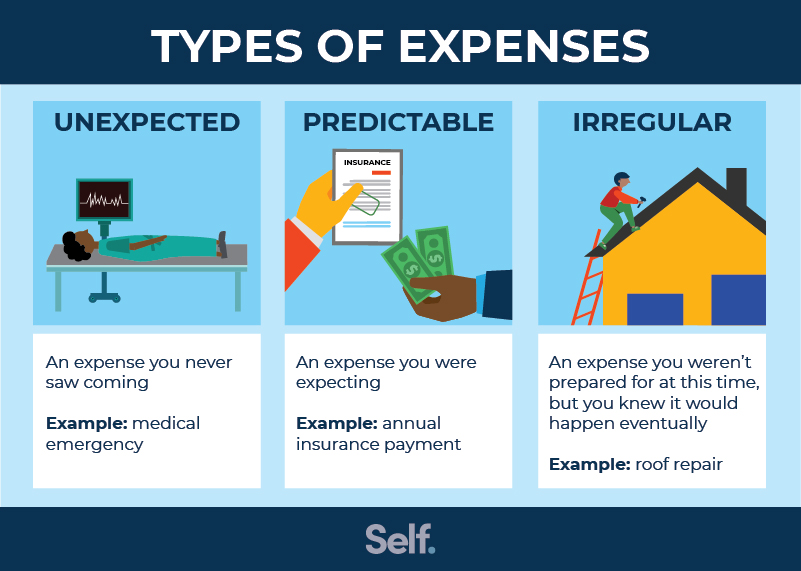
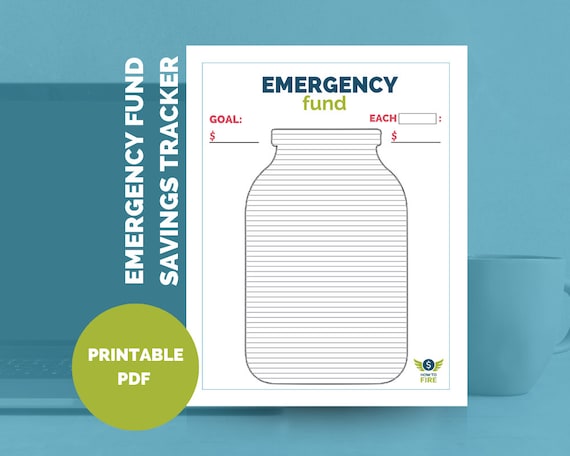
Life is unpredictable. An emergency fund acts as your financial shock absorber.
Best Practices
Save 3–6 months of essential expenses
Keep funds easily accessible
Use only for true emergencies
This single step dramatically reduces financial anxiety.
4. Debt Management and Control
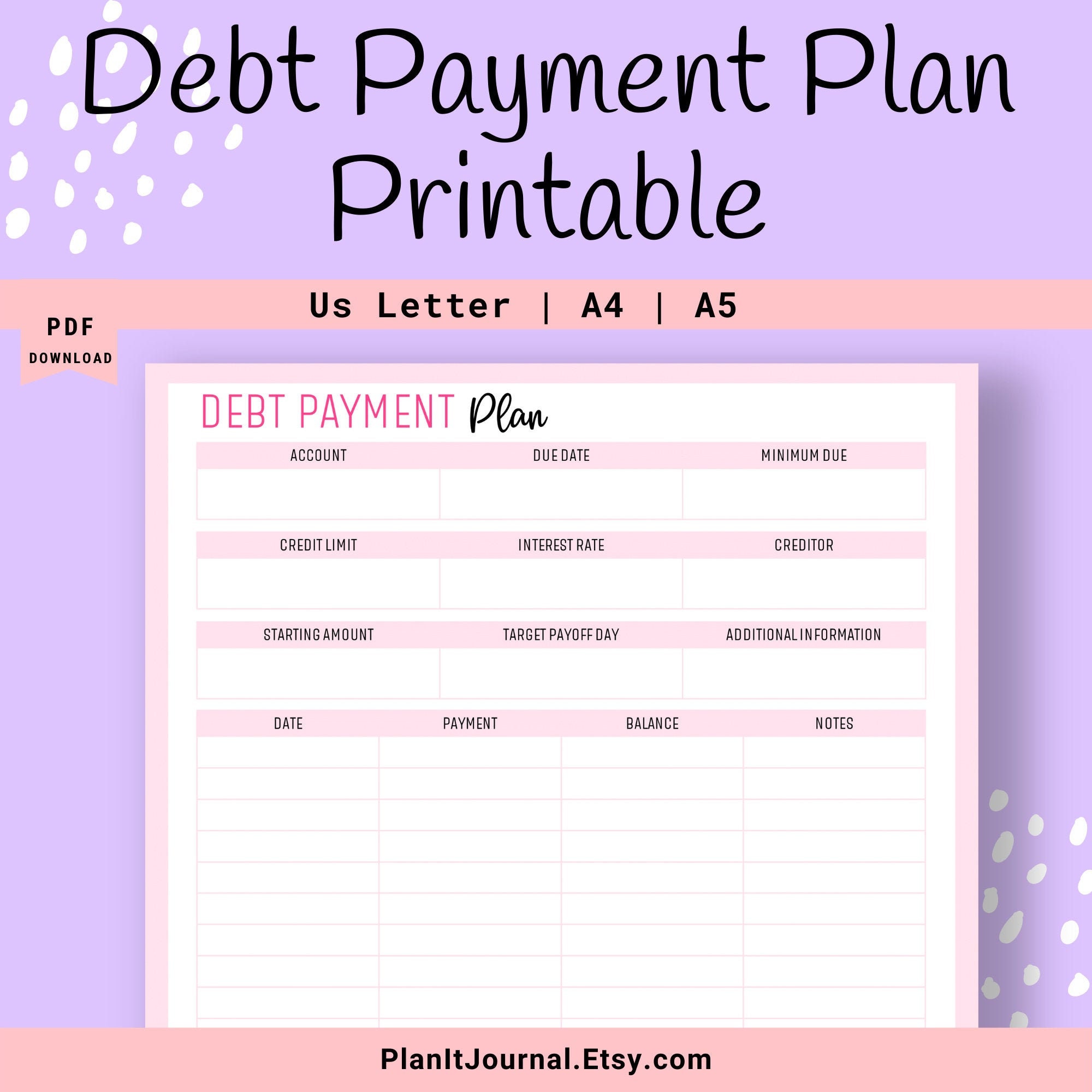
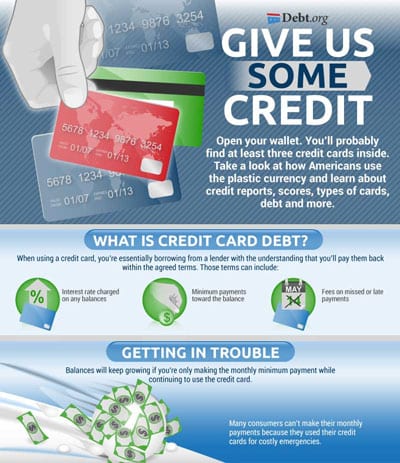


Not all debt is bad, but unmanaged debt is stressful.
Healthy Debt Habits
Prioritize high-interest debt repayment
Avoid lifestyle inflation through credit
Understand loan terms clearly
Use debt strategically, not emotionally
Reducing debt creates immediate mental relief.
5. Saving and Investing for the Future


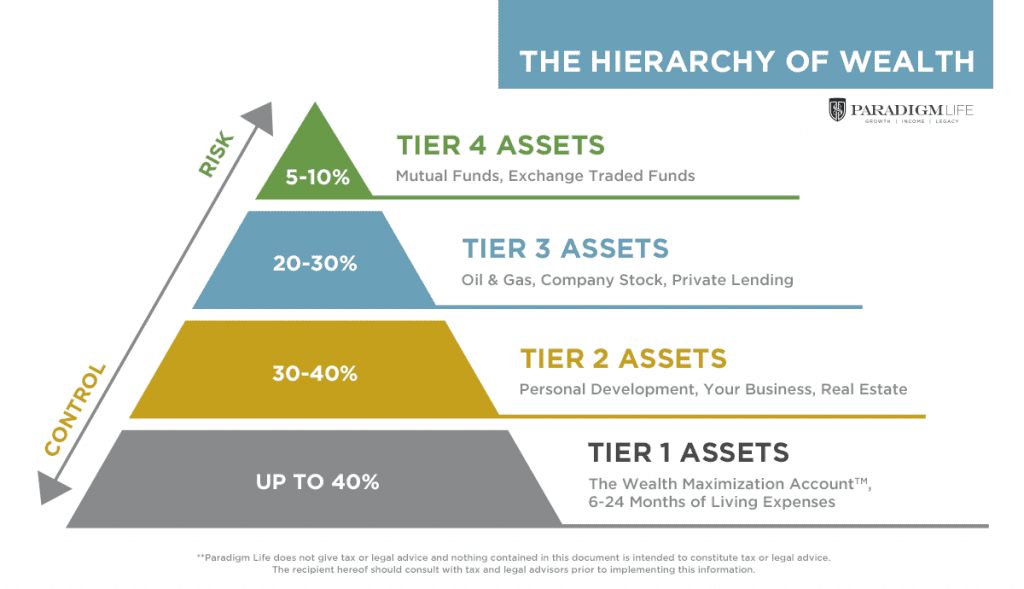
Financial wellness balances today’s comfort with tomorrow’s security.
Smart Financial Growth
Save consistently, even small amounts
Invest based on goals and risk tolerance
Plan for retirement early
Diversify income and investments
Time, consistency, and discipline matter more than perfection.
6. Financial Mindset and Emotional Well-Being




Your thoughts about money shape your behavior.
Healthy Money Mindset
Money is a tool, not self-worth
Progress matters more than comparison
Mistakes are learning opportunities
Financial growth is a journey
A calm, intentional mindset is the core of financial wellness.
Daily Habits That Support Financial Wellness
Small actions, repeated daily, create long-term peace:
Review expenses weekly
Automate savings
Delay impulse purchases
Educate yourself continuously
Align spending with personal values
Financial wellness grows quietly—through consistency.
Financial Wellness Across Life Stages
Early Career: Build habits, emergency fund, basic investing
Mid-Life: Balance family needs, investments, insurance, growth
Later Years: Preserve wealth, reduce risk, plan legacy
Your strategy evolves, but the goal remains the same: peace and stability.
Financial Wellness and Lifestyle Balance
True financial wellness allows you to:
Enjoy experiences without guilt
Rest without financial anxiety
Take calculated risks
Focus on personal growth and health
Money becomes a support system, not a constant worry.
Common Myths About Financial Wellness
❌ “I need a high income to be financially well”
❌ “Budgeting is restrictive”
❌ “I’m too late to start”
✅ Financial wellness is about choices, habits, and mindset, not perfection or timing.
How to Begin Your Financial Wellness Journey
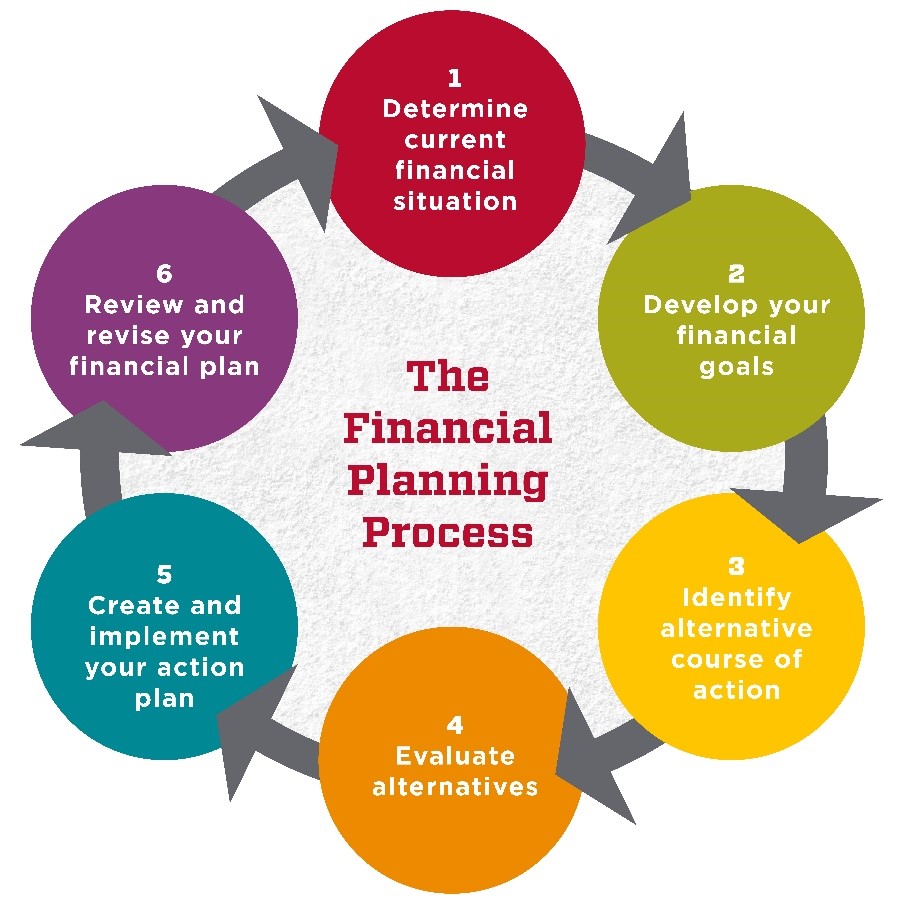
Understand your current financial reality
Set clear, achievable goals
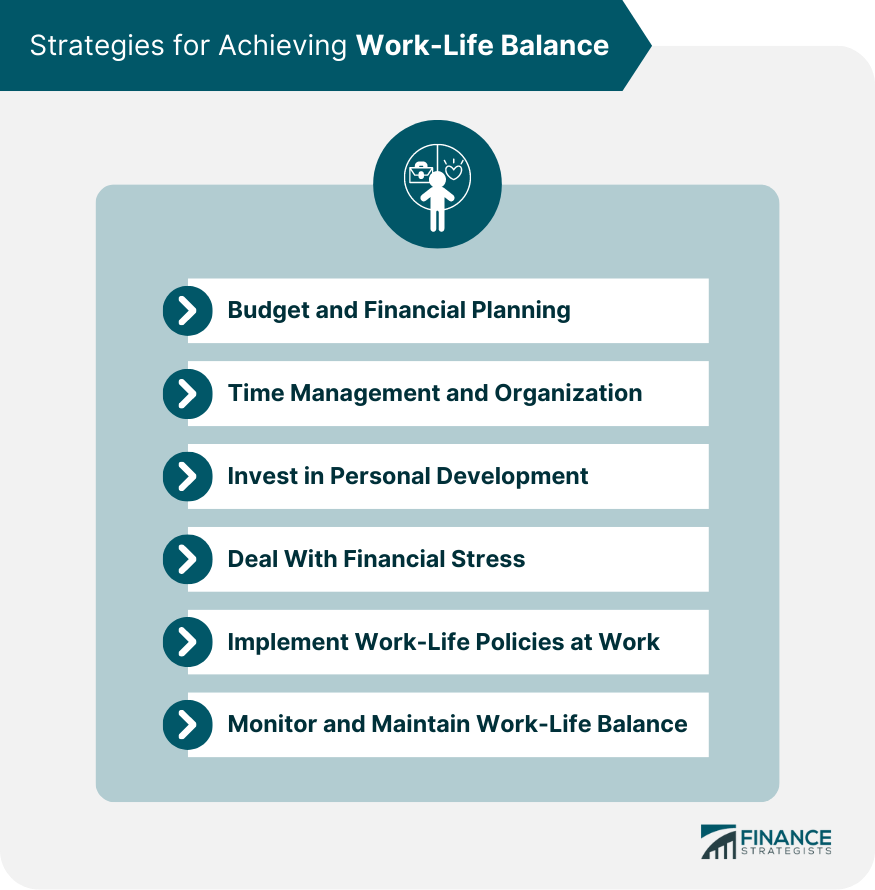
Create a simple, flexible budget
Build an emergency fund
Invest in financial education
Review and adjust regularly
Progress—not speed—is what creates confidence.
Conclusion
Financial wellness is a powerful form of self-care. By developing awareness, planning intentionally, managing debt wisely, and cultivating a healthy money mindset, you can transform finances from a source of stress into a foundation of stability and freedom.
A stress-free financial life doesn’t mean having everything—it means knowing you’re prepared for what comes next.
When your finances are aligned, your life feels lighter.


Comments
Post a Comment