Eco-Friendly Living: Sustainable Choices for a Healthier Lifestyle

Eco-Friendly Living: Sustainable Choices for a Healthier Lifestyle


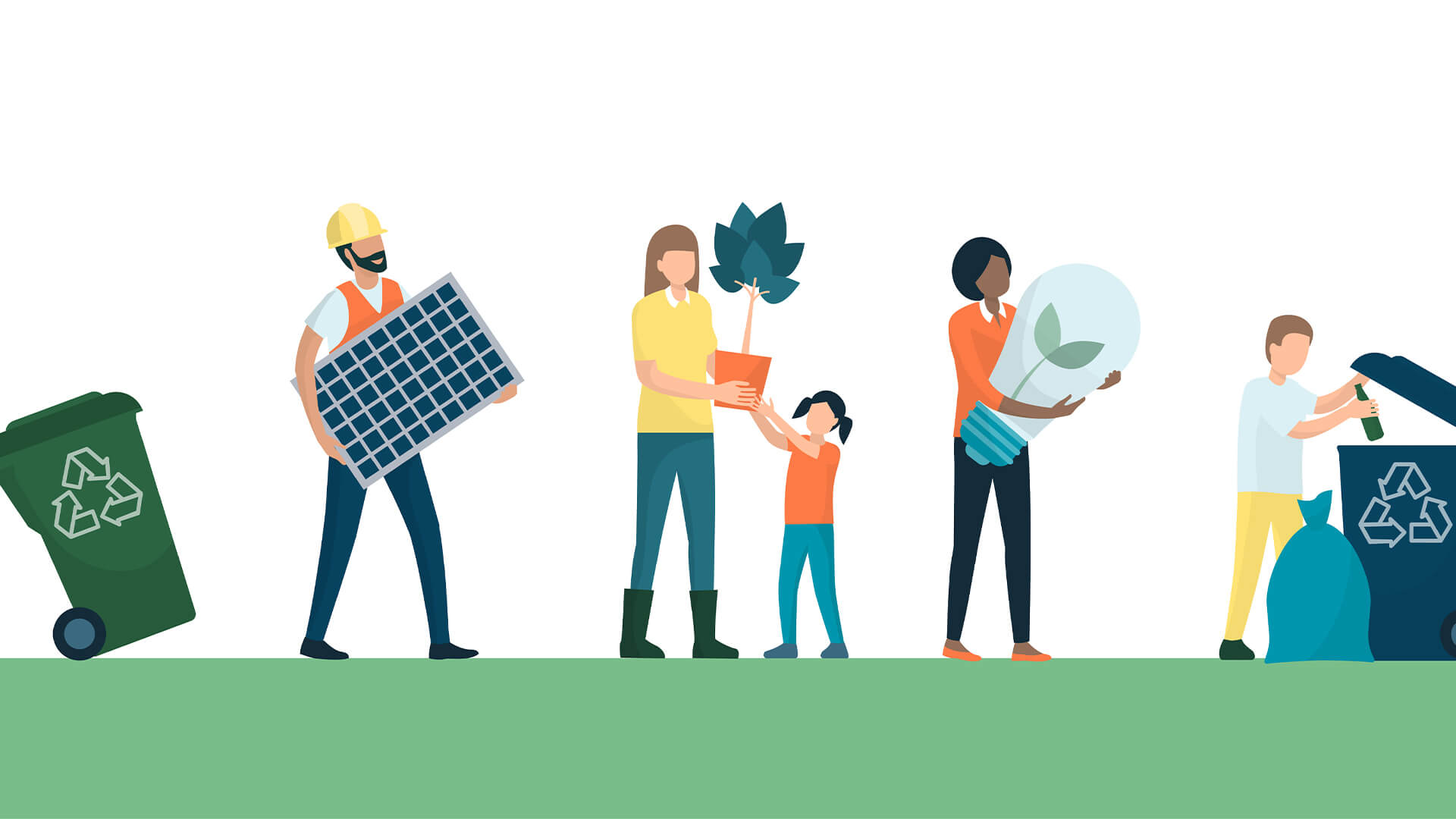

As environmental challenges such as climate change, pollution, and resource depletion intensify, more people are realizing that everyday choices matter. Eco-friendly living is not about perfection or drastic sacrifices—it’s about making conscious, sustainable choices that benefit both personal health and the planet.
This article explores what eco-friendly living truly means, why it matters, and how simple lifestyle shifts can lead to a healthier, more sustainable future.
What Is Eco-Friendly Living?
Eco-friendly living (also known as sustainable living) involves making choices that reduce harm to the environment while promoting long-term well-being. It focuses on minimizing waste, conserving resources, lowering carbon footprints, and supporting natural ecosystems.
At its heart, eco-friendly living is about balance—meeting present needs without compromising the ability of future generations to meet theirs.
Why Eco-Friendly Living Matters


1. Environmental Protection
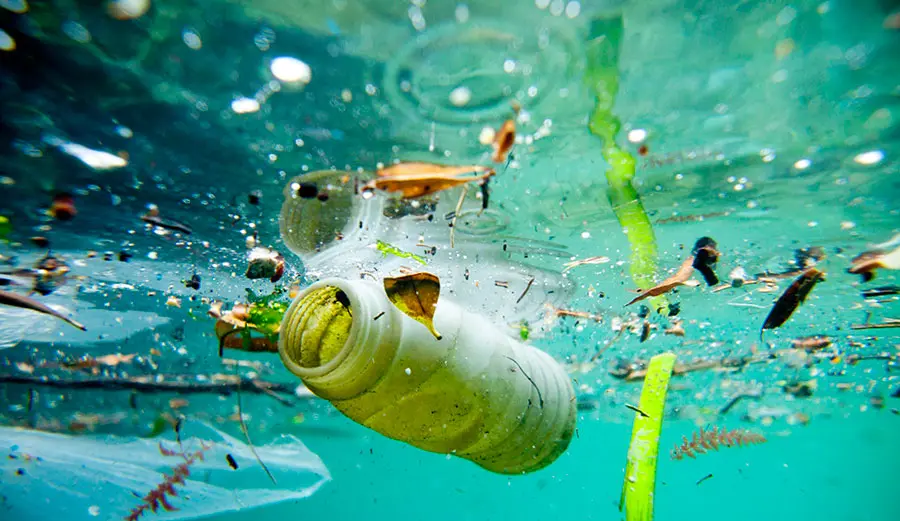
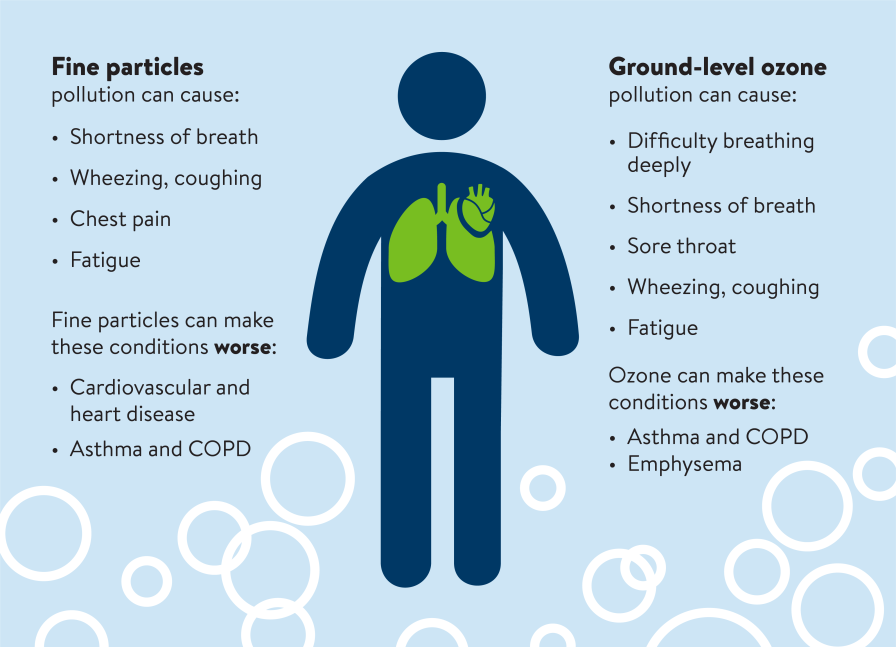
Unsustainable consumption leads to pollution, deforestation, biodiversity loss, and climate instability. Sustainable habits help preserve air, water, soil, and wildlife.
2. Better Personal Health
Eco-friendly lifestyles often emphasize:
Natural foods
Reduced exposure to toxins
Cleaner air and water
More physical activity
These contribute to improved physical and mental health.
3. Economic Benefits
Sustainable choices like energy efficiency, minimalism, and reuse often save money over time.
4. Ethical Responsibility
Living sustainably supports fair labor practices, responsible production, and global equity.
Key Areas of Eco-Friendly Living
1. Sustainable Food Choices
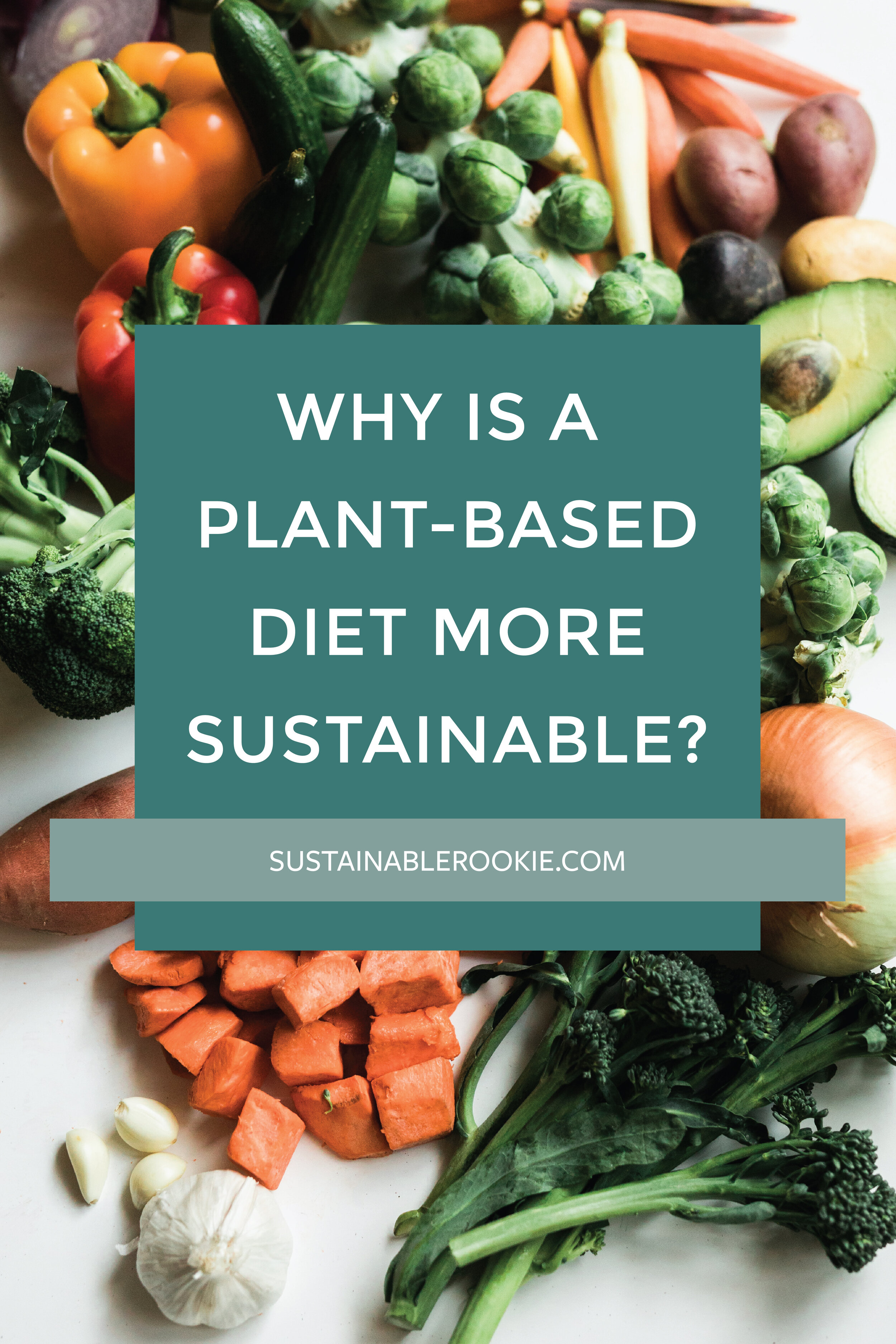


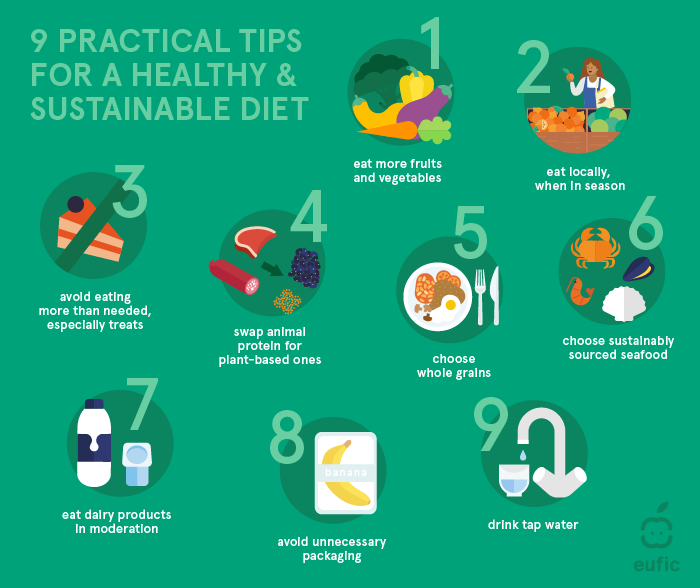
Food choices have a major environmental impact.
Eco-Friendly Food Habits
Eat more plant-based meals
Choose local and seasonal produce
Reduce food waste through meal planning
Compost organic waste
Avoid excessive packaged foods
Health bonus: Cleaner nutrition, better digestion, and improved energy levels.
2. Reducing Waste and Plastic Use
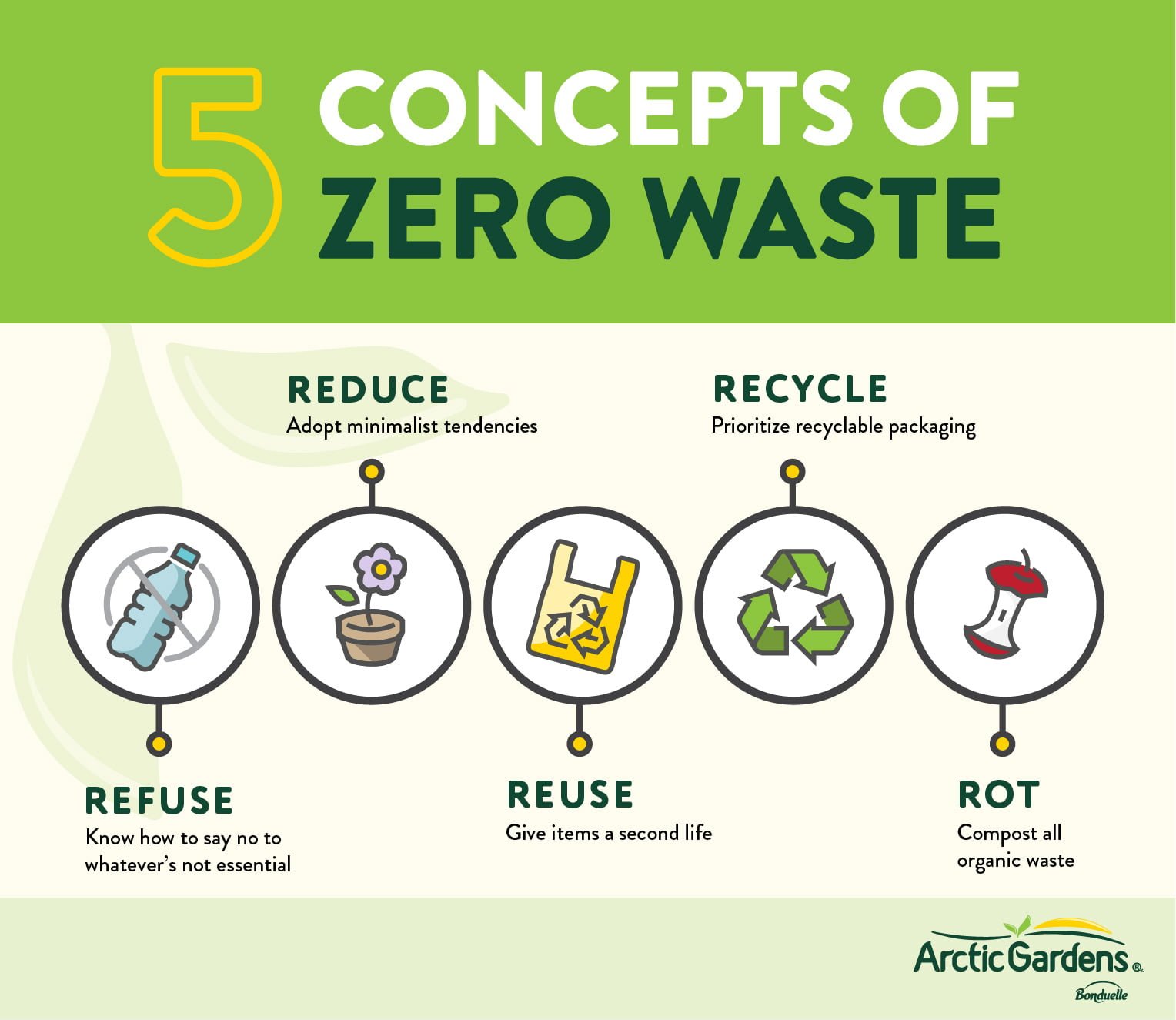

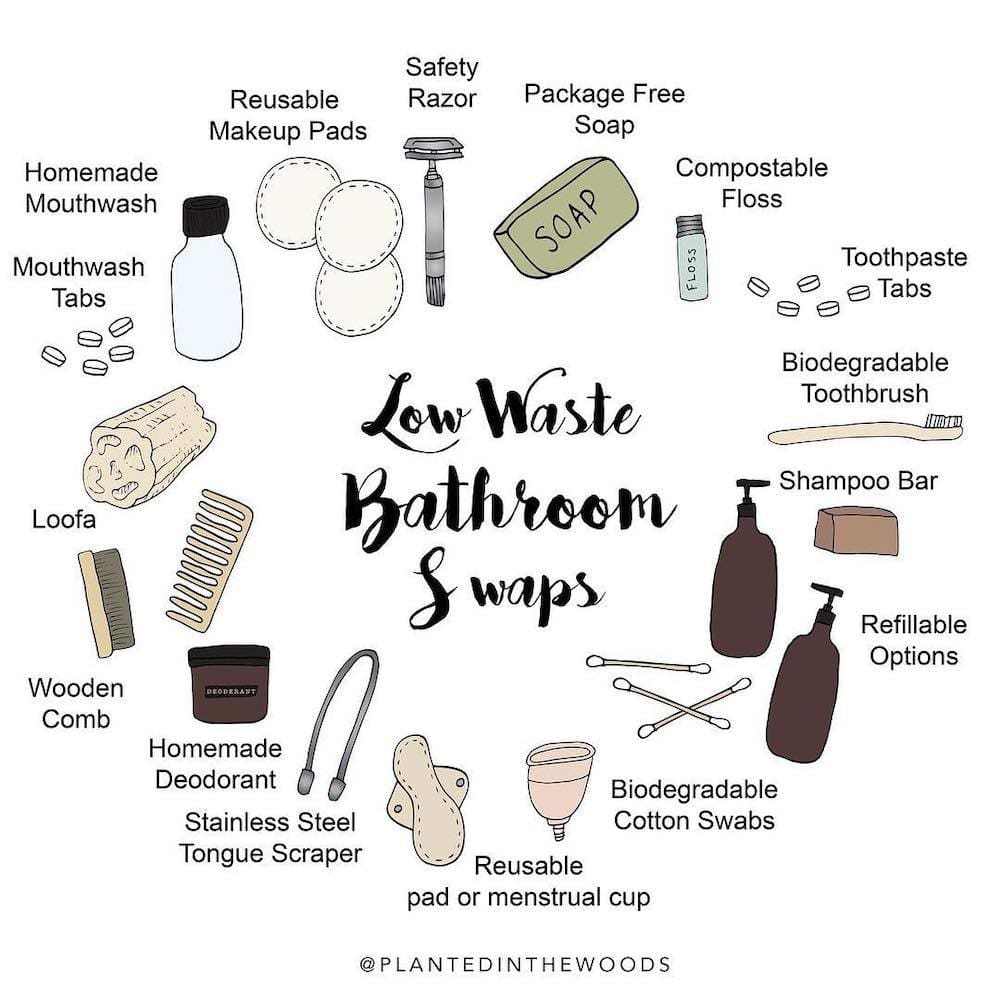

Single-use plastics are one of the biggest environmental threats.
Simple Sustainable Swaps
Cloth bags instead of plastic bags
Reusable water bottles and containers
Bamboo toothbrushes
Refillable cleaning and personal care products
Remember: Reduce → Reuse → Recycle (in that order).
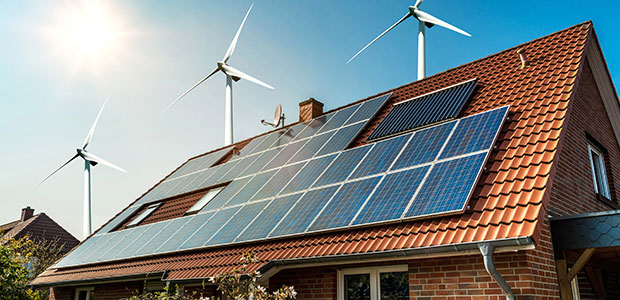
3. Eco-Friendly Home and Energy Use
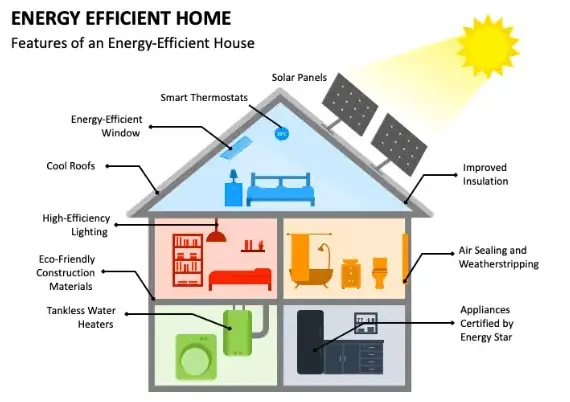


Sustainable Home Practices
Switch to LED lighting
Use energy-efficient appliances
Turn off unused electronics
Improve ventilation and natural lighting
Explore renewable energy options
These changes reduce carbon emissions and lower electricity bills.
4. Sustainable Fashion and Consumption




Fast fashion is resource-intensive and wasteful.
Eco-Friendly Fashion Choices
Buy fewer, higher-quality clothes
Choose natural or recycled fabrics
Support ethical and sustainable brands
Thrift, repair, or upcycle clothing
A minimalist wardrobe supports both style and sustainability.
5. Green Transportation and Mobility



Transportation significantly impacts carbon emissions.
Sustainable Mobility Options
Walk or cycle for short distances
Use public transport
Carpool when possible
Consider electric or hybrid vehicles
Added benefit: Increased daily movement improves fitness and mental clarity.
6. Eco-Friendly Wellness and Self-Care


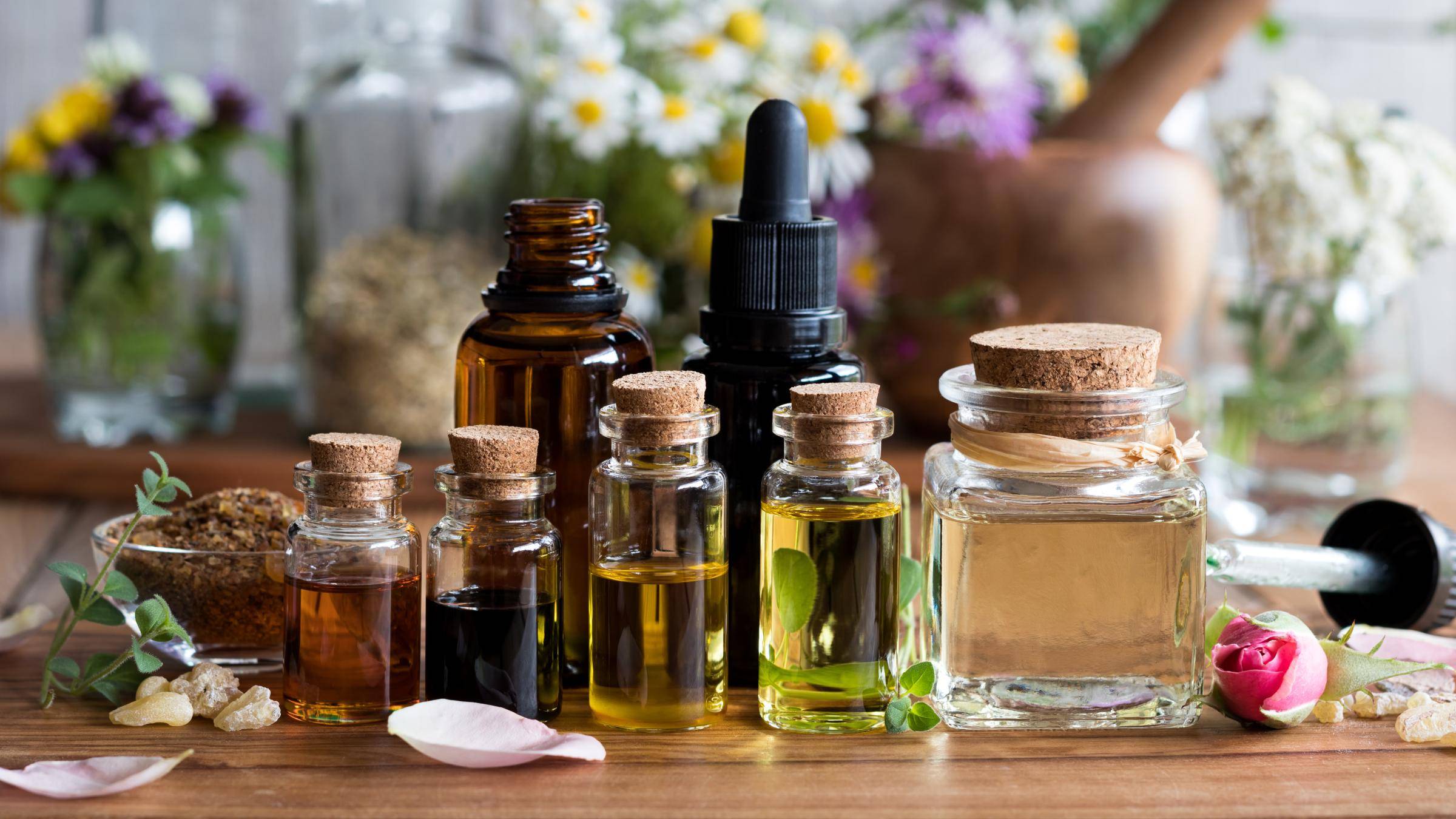

Sustainability extends to personal care and wellness.
Conscious Self-Care Choices
Natural and biodegradable skincare
Minimal packaging products
Reusable menstrual products
Eco-friendly cleaning supplies
Reducing chemical exposure supports long-term health.
Mindset Shift: Progress Over Perfection
One of the biggest misconceptions about eco-friendly living is that it requires a complete lifestyle overhaul. In reality:
Small steps create big impact
Consistency matters more than perfection
Awareness leads to better decisions
Even one sustainable habit can inspire others and create ripple effects.
How to Start Your Eco-Friendly Journey
Audit your lifestyle – identify wasteful habits
Choose one area to improve (food, waste, energy, or fashion)
Make gradual changes
Educate yourself continuously
Encourage family and community participation
Eco-Friendly Living and Mental Well-Being
Living sustainably often leads to:
Reduced stress
Greater sense of purpose
Mindful consumption
Deeper connection with nature
Knowing that your choices align with your values can be deeply fulfilling.
Conclusion
Eco-friendly living is not a trend—it’s a necessary and empowering way of life. By making sustainable choices in food, home, fashion, transportation, and wellness, we protect the planet while improving our own health and quality of life.
A healthier lifestyle and a healthier planet go hand in hand.
Live gently on the Earth—and it will sustain you in return. 🌱


Comments
Post a Comment