Digital Fitness: Balancing Technology and Physical Activity

Digital Fitness: Balancing Technology and Physical Activity


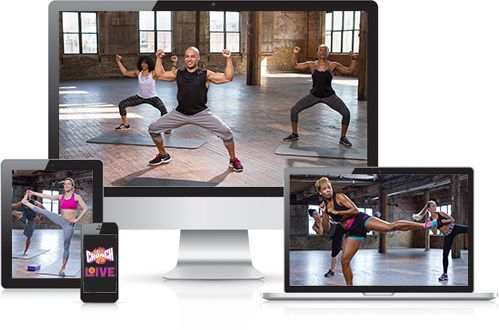

In today’s hyper-connected world, technology has become deeply embedded in how we live, work, and even move our bodies. From fitness apps and smartwatches to virtual workout classes and AI-driven coaching, digital fitness represents the intersection of technology and physical activity. While technology has the power to motivate, track, and personalize our fitness journeys, it can also contribute to sedentary habits and screen fatigue if not used mindfully.
This article explores what digital fitness truly means, its benefits and challenges, and how to strike a healthy balance between technology use and real-world physical activity.
What Is Digital Fitness?
Digital fitness refers to the use of technology-enabled tools to support, monitor, and enhance physical activity and overall health. These tools include:
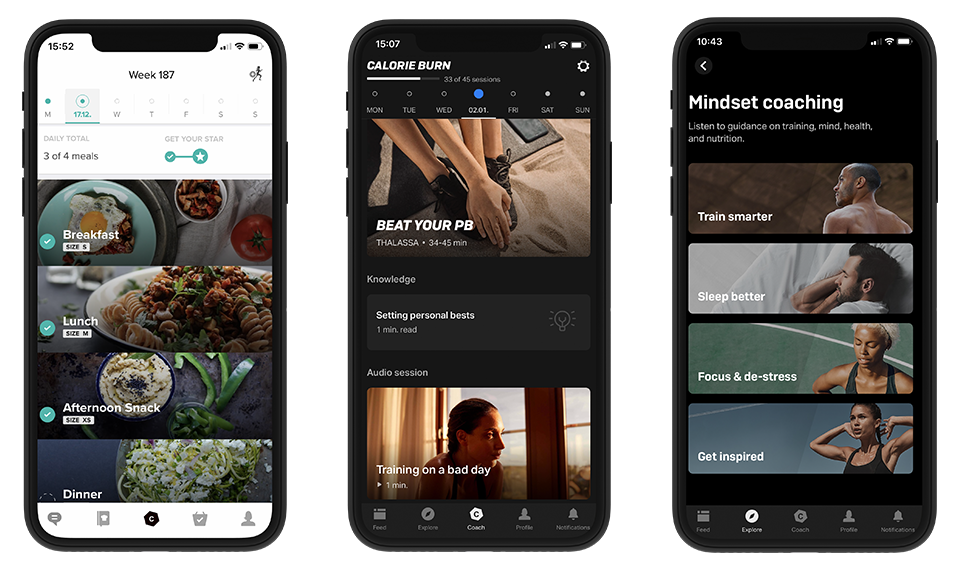
Fitness and workout apps
Wearable devices (smartwatches, fitness bands)
Online and on-demand workout platforms
Virtual personal training and AI coaching
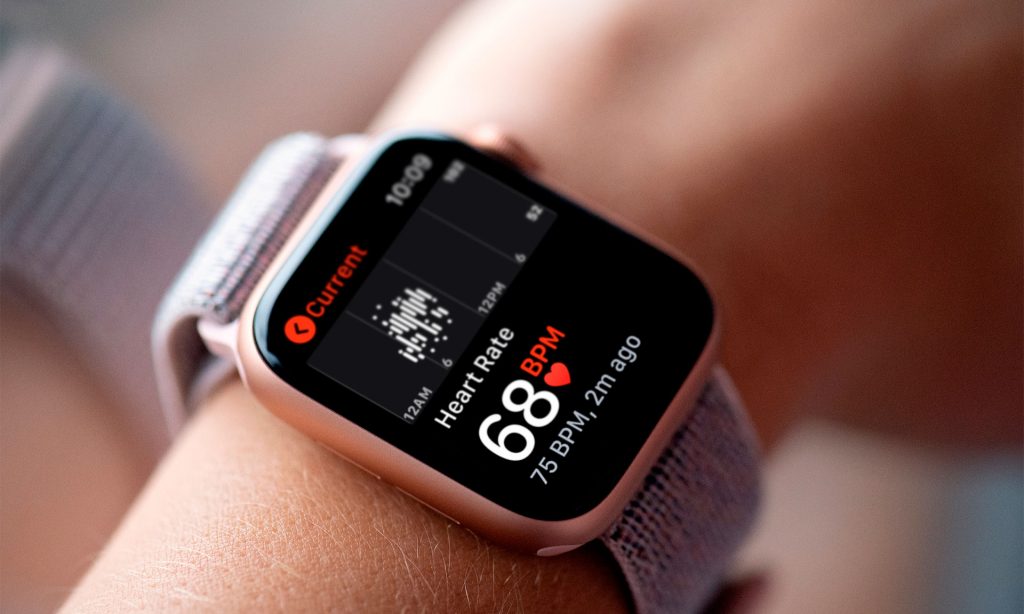
Health-tracking tools for sleep, heart rate, steps, and calories
At its core, digital fitness aims to make physical activity more accessible, personalized, and measurable.
The Rise of Digital Fitness
Several factors have fueled the rapid growth of digital fitness:
Busy lifestyles requiring flexible, at-home workout options
Remote work culture, reducing natural movement
Affordable smartphones and wearables
Increased health awareness, especially post-pandemic
Gamification and social features that boost motivation
For many people, digital tools have removed barriers such as gym access, time constraints, and lack of guidance.
Benefits of Digital Fitness


1. Accessibility and Convenience
Digital fitness allows users to work out anytime, anywhere—at home, while traveling, or during short breaks. This flexibility helps maintain consistency, which is crucial for long-term fitness.
2. Personalization
Apps and devices tailor workouts based on age, fitness level, goals, and health metrics. Personalized plans improve efficiency and reduce the risk of injury.
3. Motivation and Accountability
Daily step goals
Workout streaks
Badges and achievements
Community challenges
These features make fitness engaging and habit-forming.
4. Data-Driven Insights
Tracking metrics like heart rate, sleep quality, calories burned, and workout intensity helps users understand their bodies better and make informed health decisions.
5. Cost-Effective Fitness
Compared to long-term gym memberships or personal trainers, many digital fitness solutions are affordable or even free.
The Dark Side: Challenges of Digital Fitness



Despite its benefits, digital fitness comes with potential downsides:
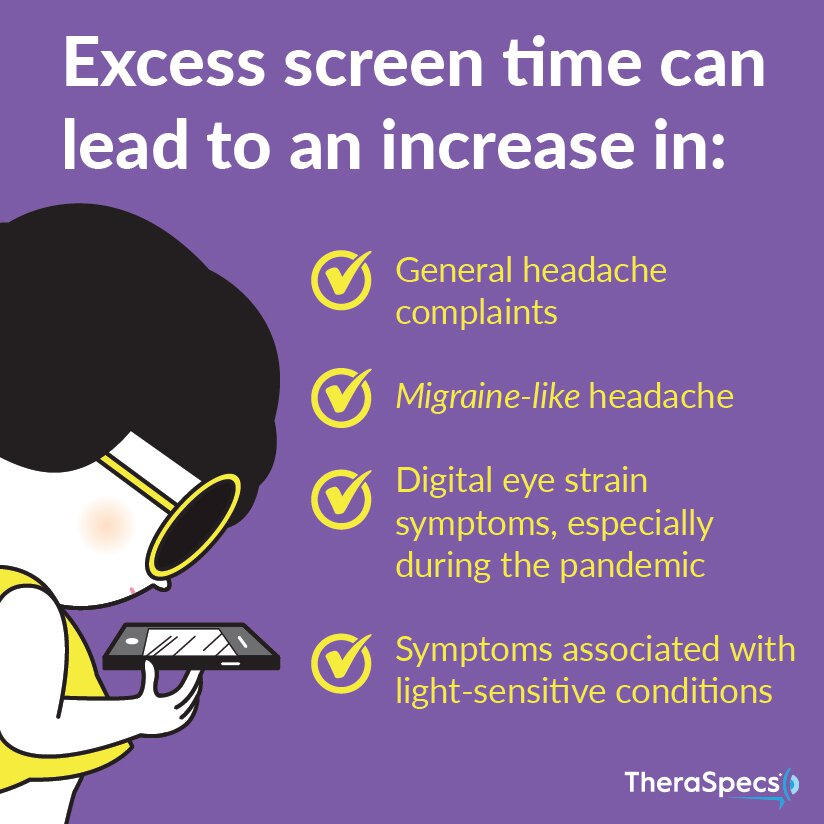
1. Increased Screen Time
Ironically, fitness apps still require screens. Excessive screen time can lead to eye strain, poor posture, and mental fatigue.
2. Data Obsession
Constantly tracking steps, calories, or heart rate can create anxiety, guilt, or unhealthy perfectionism—especially when goals aren’t met.
3. Sedentary Paradox
Owning fitness technology doesn’t guarantee movement. Many users track data but fail to act consistently, remaining largely sedentary.
4. Loss of Mind-Body Connection
Over-reliance on numbers may disconnect individuals from intuitive cues like fatigue, hunger, or enjoyment.
5. One-Size-Fits-All Risks
Not all digital programs account for individual medical conditions, mobility limitations, or mental health factors.
Balancing Technology and Physical Activity
The key to digital fitness success lies in intentional and mindful use. Here’s how to strike the right balance:
1. Use Technology as a Tool, Not a Crutch
Let technology guide and support you—but don’t let it control your self-worth or motivation. Your body’s signals matter as much as data.
Tip: Occasionally exercise without tracking to reconnect with how movement feels.
2. Set Healthy Boundaries
Limit app notifications
Avoid checking stats obsessively
Designate tech-free movement time (walks, yoga, stretching)
3. Prioritize Real Movement
No app can replace actual physical activity. Ensure your day includes:
Walking breaks
Stretching
Strength or cardio sessions
Outdoor movement when possible
4. Balance Digital and Offline Fitness
Combine:
Digital workouts (guided sessions, tracking)
withOffline activities (sports, dancing, hiking, household chores)
This keeps fitness enjoyable and sustainable.
5. Focus on Holistic Health
True fitness isn’t just steps or calories. Use technology to support:
Sleep quality
Stress management
Recovery and rest
Mental well-being
Digital Fitness and Mental Well-Being
When used wisely, digital fitness can enhance mental health by:
Reducing stress through guided workouts
Encouraging routine and structure
Building confidence and self-discipline
Creating supportive online communities
However, balance is essential. Fitness should empower—not pressure—you.
The Future of Digital Fitness
Looking ahead, digital fitness is evolving toward:
AI-powered coaching
Immersive virtual workouts
Personalized recovery and wellness plans
Integration of physical, mental, and emotional health
The future isn’t about replacing human movement—it’s about enhancing it intelligently.
Conclusion
Digital fitness has transformed how we approach physical activity, making it more accessible, personalized, and data-driven than ever before. However, technology is most effective when it complements—not replaces—real movement and mindful living.
By setting boundaries, listening to your body, and focusing on holistic health, you can harness the power of digital fitness to build a balanced, active, and sustainable lifestyle.
The goal isn’t to move more for your device—it’s to move better for your life.


Comments
Post a Comment