Culinary Wellness: Mindful Eating with Flavorful Recipes

Culinary Wellness: Mindful Eating with Flavorful Recipes
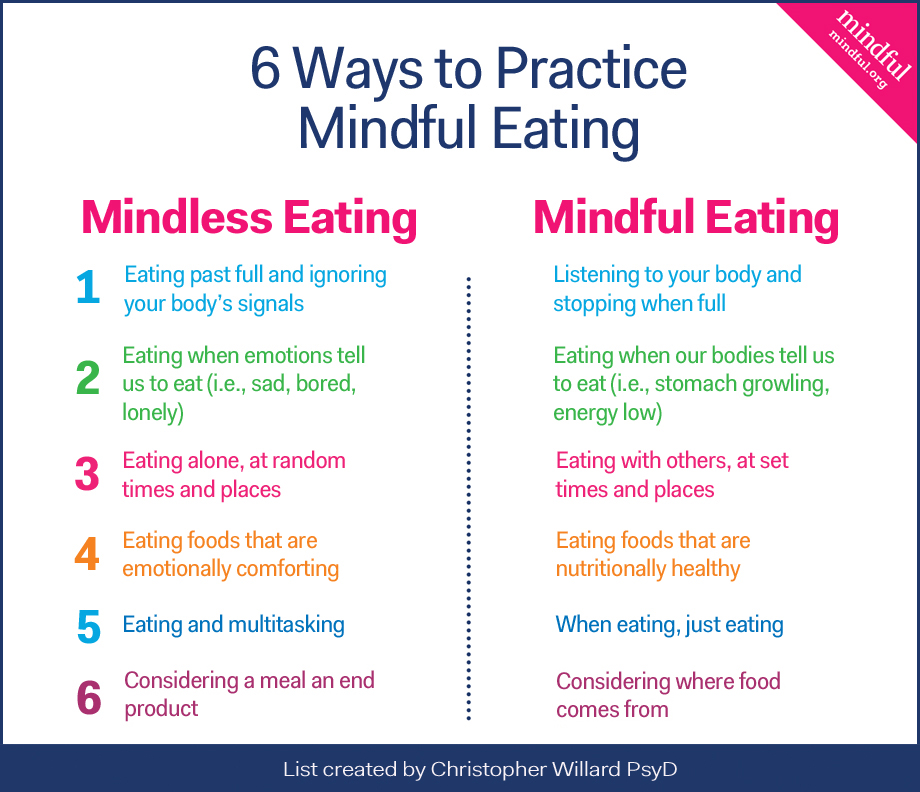



In a world of fast food, rushed meals, and distracted eating, culinary wellness invites us to slow down, savor flavors, and reconnect with food as nourishment—both for the body and the mind. Culinary wellness is the practice of mindful eating combined with intentional cooking, where nutrition, pleasure, culture, and self-care meet.
This article explores what culinary wellness means, why mindful eating matters, and how to enjoy flavorful, health-supportive recipes without sacrificing joy.
What Is Culinary Wellness?
Culinary wellness is a holistic approach to food that emphasizes:
Mindful eating (how you eat)
Nourishing ingredients (what you eat)
Intentional cooking (how food is prepared)
Enjoyment and balance (why you eat)
It’s not about restrictive diets or food rules. Instead, it’s about building a positive, sustainable relationship with food—one that supports physical health, emotional well-being, and cultural connection.
Why Mindful Eating Matters



Mindful eating is the foundation of culinary wellness. It involves being fully present during meals—paying attention to hunger, fullness, flavors, textures, and emotions.
Benefits of Mindful Eating
Improves digestion
Prevents overeating
Enhances satisfaction from meals
Reduces emotional and stress eating
Encourages healthier food choices naturally
When you eat with awareness, even simple meals become deeply nourishing.
The Connection Between Flavor and Wellness
Many people associate “healthy food” with blandness—but this is one of the biggest myths in nutrition.
Flavor Is Essential for Wellness
Flavor increases satisfaction
Satisfaction reduces cravings
Herbs, spices, and natural seasonings provide antioxidants
Enjoyable meals support consistency and balance
Wellness thrives when food is both nutritious and delicious.
Core Principles of Culinary Wellness
1. Eat with Intention, Not Distraction




Sit down for meals whenever possible
Avoid screens while eating
Take a few deep breaths before starting
Chew slowly and notice flavors
Food digests better when the mind is calm.
2. Choose Whole, Vibrant Ingredients
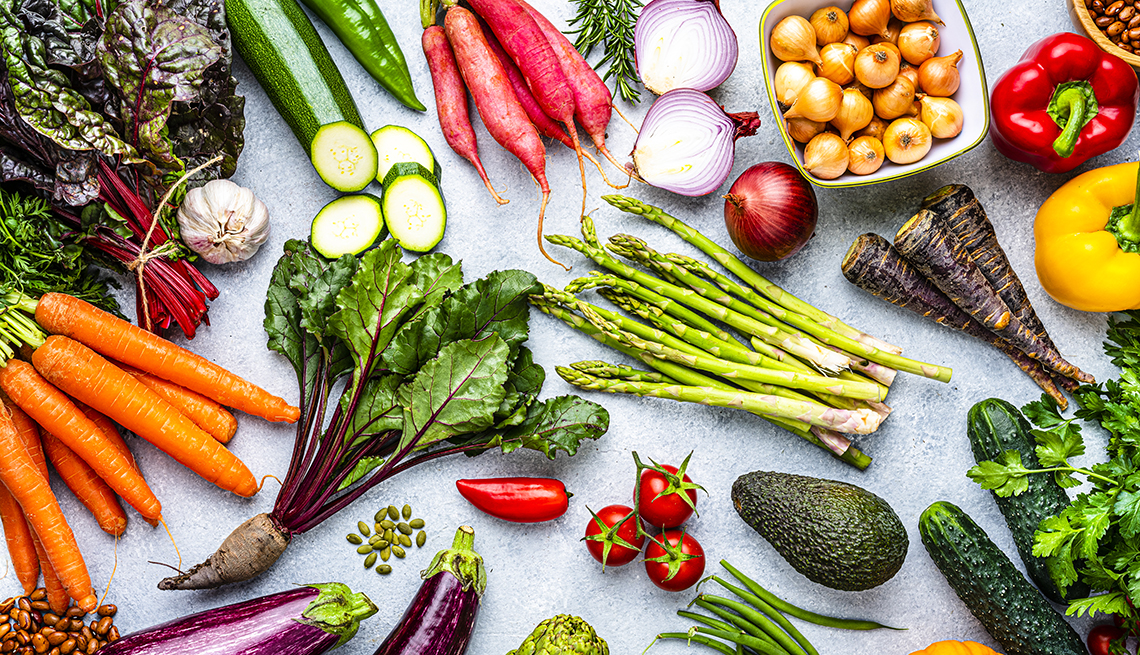


Focus on:
Fresh vegetables and fruits
Whole grains
Healthy fats (nuts, seeds, oils)
High-quality protein
Herbs and spices
Colorful plates usually signal diverse nutrients.
3. Cook with Awareness and Joy
Cooking is not a chore—it’s a form of self-care.
Cook slowly when possible
Smell, taste, and adjust
Play calming music
Appreciate the process
Mindful cooking often leads to mindful eating.
4. Balance Nutrition with Pleasure
Culinary wellness embraces balance:
No “good” or “bad” foods
Room for indulgence without guilt
Focus on patterns, not perfection
Pleasure is part of nourishment.
Flavorful Recipes for Culinary Wellness




Below are simple, flavorful recipes designed to support mindful eating and overall wellness.
1. Golden Vegetable Khichdi (Comfort & Gut-Friendly)
Why it works: Easy to digest, nourishing, and calming.
Ingredients
Rice and lentils (1:1)
Turmeric, cumin, ginger
Seasonal vegetables
Ghee or olive oil
Mindful Tip: Notice how warmth, aroma, and texture create comfort.
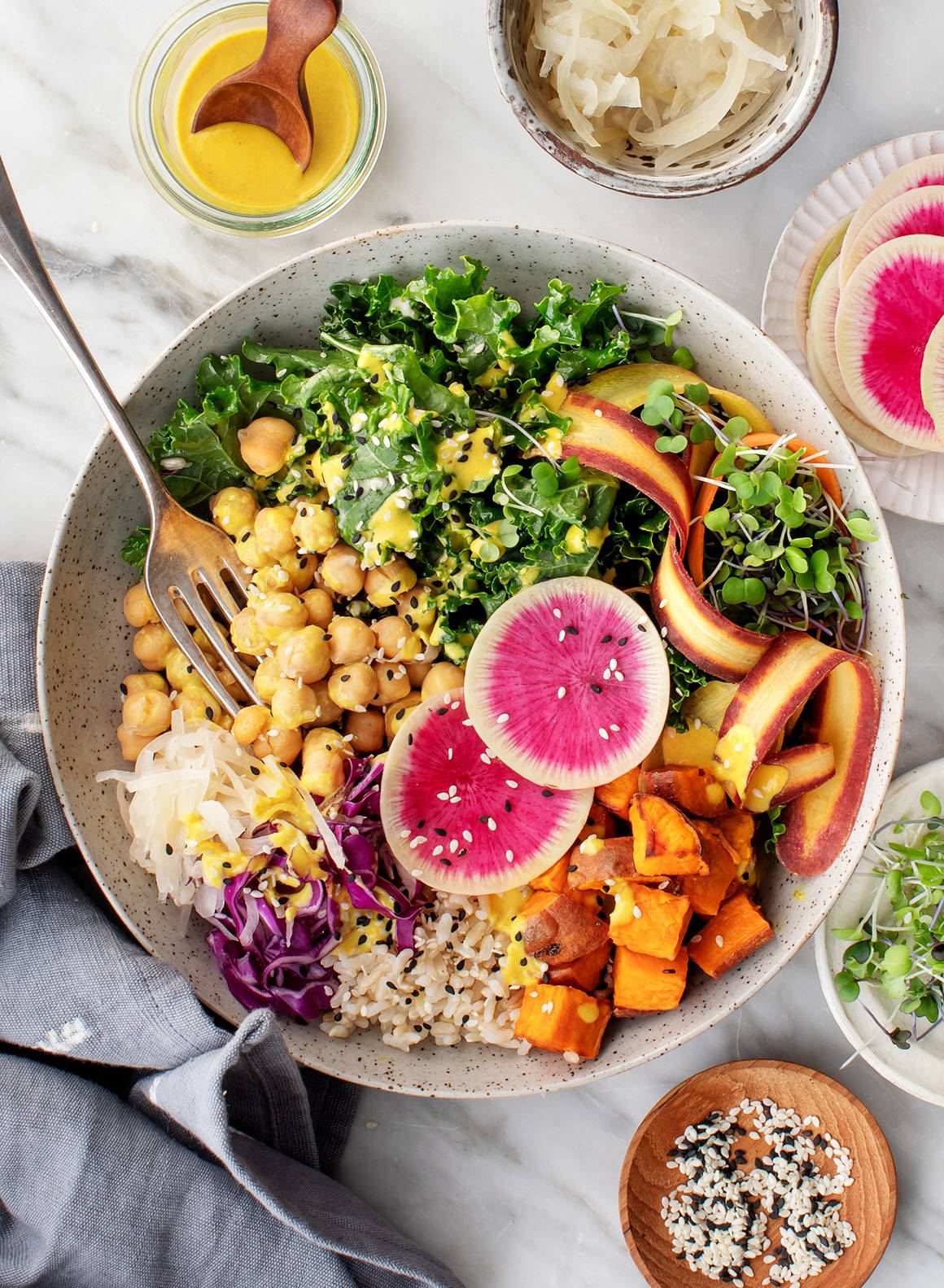
2. Rainbow Buddha Bowl (Energy & Balance)
Why it works: Nutrient-dense, colorful, and satisfying.
Ingredients
Roasted vegetables
Quinoa or brown rice
Chickpeas or paneer
Tahini or yogurt-based dressing
Mindful Tip: Eat slowly and experience each color and flavor.
3. Lemon Herb Soup (Light & Refreshing)
Why it works: Hydrating and soothing for digestion.
Ingredients
Fresh herbs (coriander, parsley)
Lemon juice
Vegetables
Mild spices
Mindful Tip: Sip slowly and feel the warmth.
4. Dark Chocolate & Nut Bliss Bites (Mindful Indulgence)
Why it works: Satisfies cravings without excess.
Ingredients
Dark chocolate (70%+)
Nuts and seeds
Dates
Mindful Tip: Eat one bite at a time—fully present.
Culinary Wellness and Emotional Health



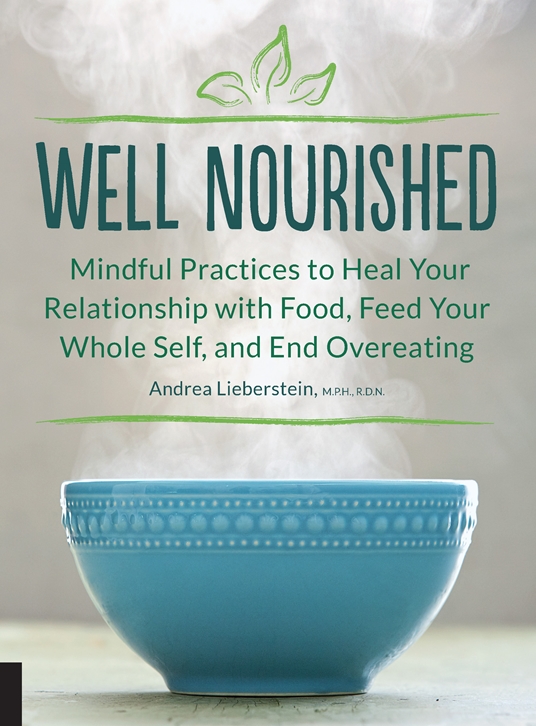
Food is deeply emotional. Culinary wellness encourages:
Awareness of emotional hunger vs physical hunger
Compassionate eating without guilt
Cooking as a grounding ritual
Using food to support—not suppress—emotions
When food is approached with kindness, healing follows.
Daily Practices to Support Culinary Wellness
Start meals with gratitude
Eat at regular times
Plan meals with flexibility
Honor hunger and fullness cues
Enjoy cultural and traditional foods
Consistency builds trust with your body.
Common Myths About Healthy Eating
❌ Healthy food is boring
❌ Mindful eating is time-consuming
❌ Wellness requires strict rules
✅ Healthy food can be deeply flavorful
✅ Mindfulness starts with one bite
✅ Wellness is about relationship, not restriction
Conclusion
Culinary wellness is a gentle, sustainable path to health—one that celebrates flavor, presence, and nourishment. By practicing mindful eating and cooking with intention, food becomes more than fuel; it becomes a source of balance, pleasure, and well-being.
When you slow down, savor flavors, and listen to your body, every meal becomes an act of self-care.
Eat with awareness. Cook with love. Nourish deeply. 🍲✨


Comments
Post a Comment